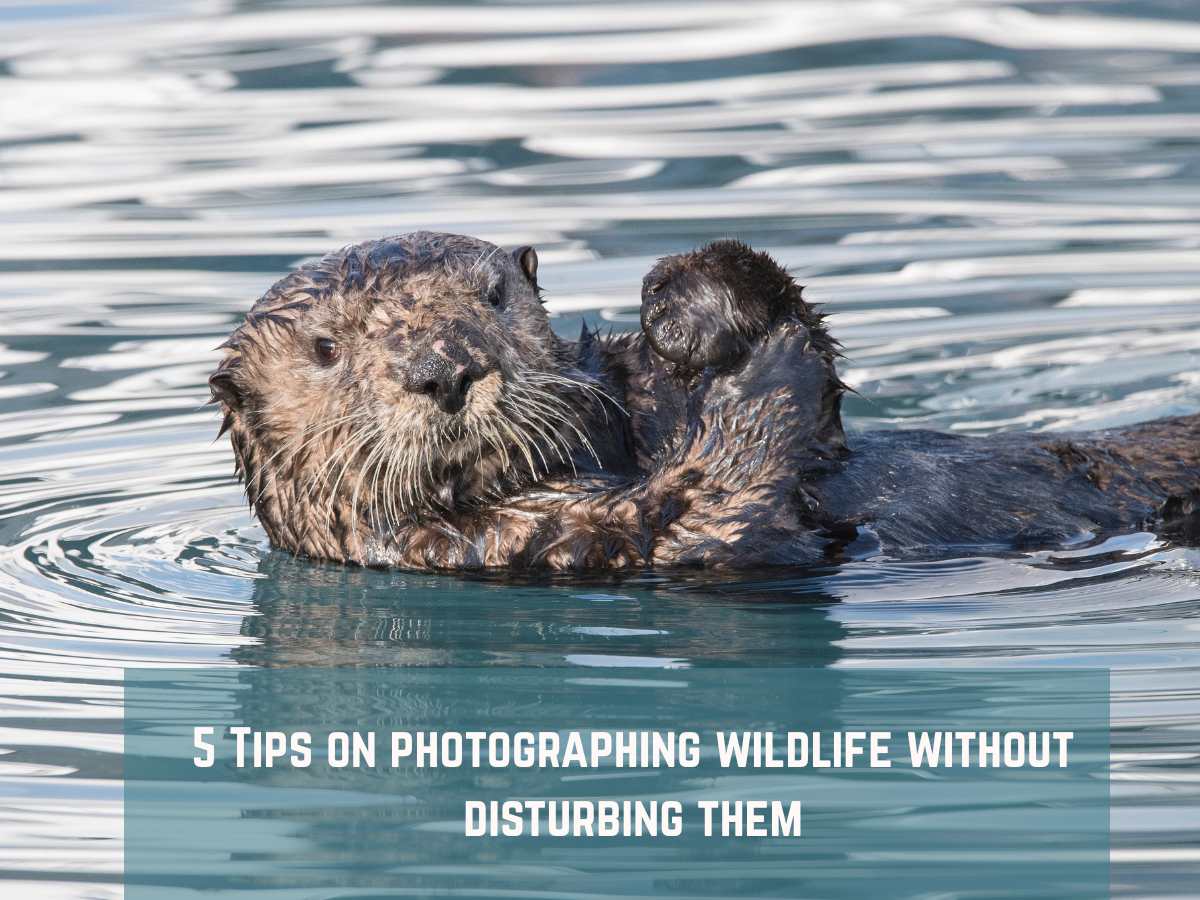
One of the best parts of wildlife photography is the thrill of seeing animals in their natural environment. But as exciting as it is, it’s also important to remember that we’re guests in their space. I’ve had moments where I was tempted to move just a little closer but I’ve learned that the best photos often come when we slow down, keep our distance, and let the moment unfold naturally.

1. Understanding Animal Behavior
One of the most important things you can do before heading out is to learn about the species you’re hoping to photograph. Knowing their habits, routines, and warning signs will help you avoid stressing them out.
Some common signs that an animal is feeling uncomfortable or threatened include:
- Sudden freezing or staring — the animal is alert and watching you closely.
- Alarm calls or warning sounds — birds, squirrels, and even deer will sound the alarm.
- Moving away or hiding — a clear sign they want more space.
- Defensive behavior — like fluffing up, stomping, hissing, or making themselves look larger.
If you notice any of these, it’s time to slow down, back off, or even leave the area. No photo is worth distressing an animal.
2. Keep Your Distance
One of the best ways to photograph wildlife respectfully is to give them plenty of space. A telephoto lens (300mm or longer) allows you to capture detailed shots without getting too close. Not only does this reduce the risk of disturbing the animal, but it also helps you stay safer in the field.
Whenever possible, let the animal come to you. Staying still and quiet often leads to more natural and relaxed moments than trying to chase or follow them.
3. Respect Nests and Dens
As tempting as it may be to photograph baby animals or peek into a bird’s nest, it’s best to avoid these sensitive areas altogether. Wildlife can be especially vulnerable during nesting and denning seasons.
Getting too close can cause parents to abandon their young, attract predators to the area, or add unnecessary stress to an already demanding time. It’s just not worth the risk.
4. Follow Local Regulations and Ethical Guidelines
Before heading out, always check the rules of the park, reserve, or public lands you’re visiting. Many areas have specific guidelines for interacting with wildlife, especially during sensitive seasons like breeding or migration.
Also, consider learning from organizations that promote ethical nature photography, like NANPA or Audubon. Their guidelines offer great insight into how we can be better stewards with our cameras.
5. Leave No Trace
The golden rule: leave nature exactly as you found it.
- Stick to trails when you can to avoid damaging delicate habitats.
- Don’t move branches, bait animals, or alter the environment for a better photo.
- Pack out everything you brought with you trash, gear, even biodegradable items.
- Avoid using playback calls or sounds that may disrupt natural behaviors.
When we photograph with care, we help preserve the beauty and balance of wild places for everyone including the wildlife.
In Conclusion
If you remember just three things, let them be this: patience, distance, and respect. You’ll be amazed at the kinds of moments that come your way when you let nature take the lead. The best shots often happen when we slow down, observe quietly, and allow wildlife to be exactly what it is…wild.
Share your favorite stories of times when you waited and let nature do its thing! You can tag me on Facebook and Instagram @greatlakeswildlifejournal.