Web Analytics

Author: Aimee

  • How To Attract Songbirds To Your Yard (The Right Way)

    How To Attract Songbirds To Your Yard (The Right Way)

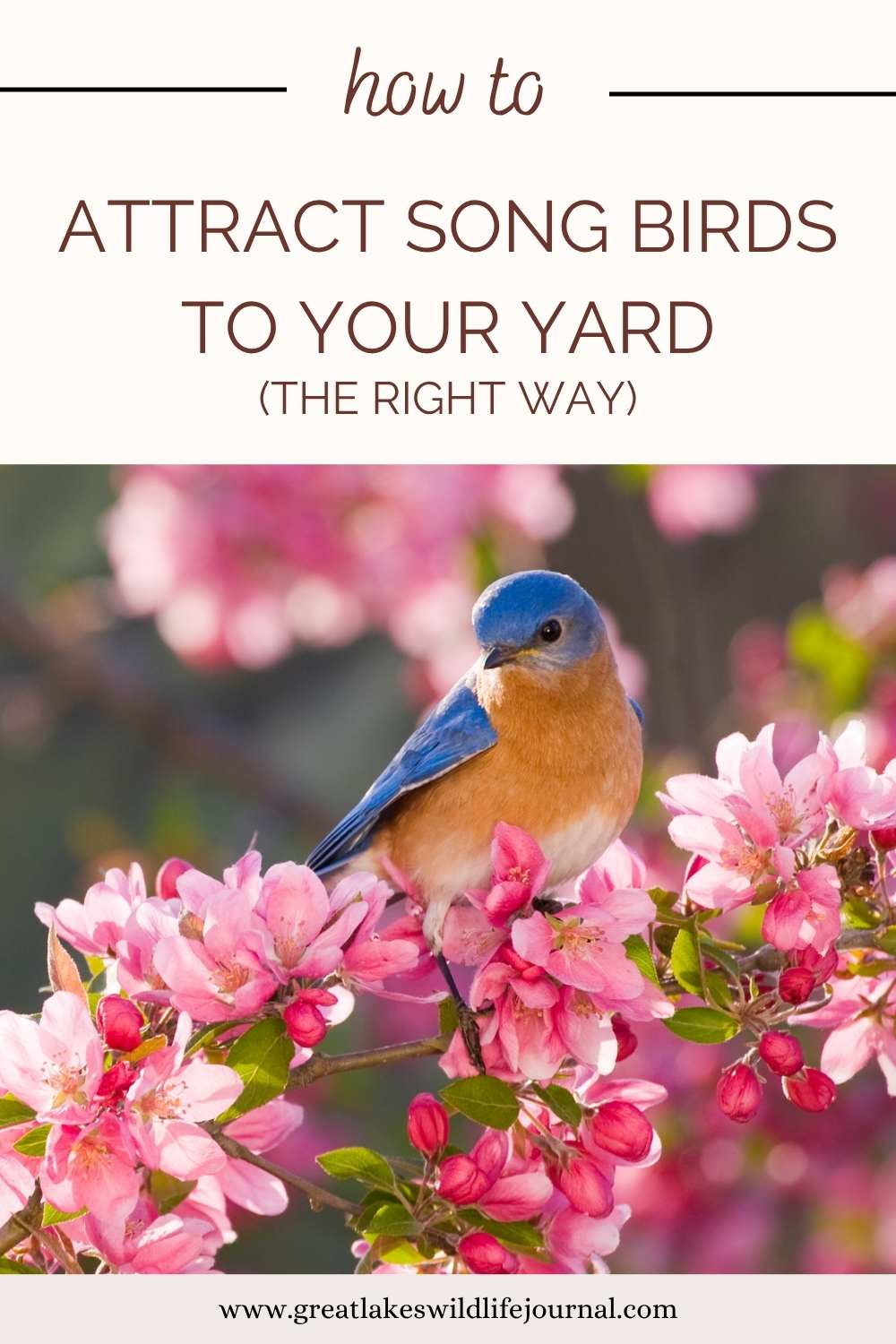
    phot of a bluebird

    There’s nothing better than waking up to the chatter of chickadees or catching a glimpse of a scarlet tanager flitting through your trees. But attracting songbirds to your yard takes more than scattering birdseed it’s about creating a space that truly supports them.

    If you live in the Great Lakes region, you’re already in prime birding territory. Here’s how to turn your yard into a real haven for songbirds one that goes beyond quick fixes and feeds birds the way nature intended.

    Bee Balm to attract Birds

    1. Start with Native Plants (This Is the Real Secret)

    Forget decorative landscaping. If your yard is full of barberry, hostas, and turf grass, you’re not giving birds much to work with.

    Instead, plant native species that actually support insects and berries the foundation of a bird’s diet, especially during nesting season.

    Here in the Great Lakes, some great options include:

    • Serviceberry (Amelanchier): early spring berries
    • Red Osier Dogwood: winter food and nesting cover
    • Purple Coneflower, Goldenrod, and Bee Balm: attract pollinators and seed-eating birds
    • Oak and Birch trees: host hundreds of native caterpillars that are critical food for baby birds

    🪴 Bonus: Native plants don’t need fertilizer or pesticides, and they’re adapted to our climate.

    2. Feeders Are Fine But Be Intentional

    Feeders can supplement natural food sources, especially in winter or migration season. But don’t rely on them as your only offering.

    Good options:

    • Black oil sunflower seeds: loved by cardinals, chickadees, finches
    • Suet: great in winter for nuthatches and woodpeckers
    • Nyjer (thistle): a goldfinch favorite

    But skip the grocery store seed mixes full of milo or cracked corn. Most songbirds won’t touch them, and they attract pests like starlings.

    🧼 Important Tip: clean your feeders! Songbirds are dying from dirty feeders more than predators.

    Want to see more birds at your feeder?

    Download my FREE Feeder Placement Chart to learn exactly where to hang your feeders for the best bird activity. Whether you’re just get started or looking to improve your setup, this quick guide will help you create a bird friendly backyard in no time. Grab your free chart here.

    3. Add Water! Even a Simple Dish Helps

    Birdbaths don’t have to be fancy. A shallow dish on a stump works fine, especially if it’s near cover.

    Why it matters:

    • Birds drink and bathe, even in winter
    • Moving water (add a solar bubbler!) draws in shy species like warblers and thrushes
    • It supports birds when natural water sources are dry or frozen
    Pile of leaves to attract birds

    4. Keep Things Messy (Birds Like That)

    We’re trained to keep our yards tidy, but birds love a bit of chaos.

    • Let your leaves lie in fall: Overwintering insects = bird food
    • Leave seed heads standing through winter
    • Don’t cut down all your brush—wrens and sparrows love it for cover

    Messy = life. Neat = empty.

    5. Ditch the Poisons and Lawn Obsession

    If you’re spraying herbicides or lawn treatments, they’re killing the insects birds rely on. Even “natural” sprays can be harmful.

    And that lush green lawn? It’s a desert to most wildlife.

    Try shrinking your lawn with:

    • A native wildflower patch
    • A low-maintenance no-mow zone
    • A layered edge with shrubs, small trees, and flowers

    Less grass = more birds.

    Final Thoughts: Think Habitat, Not Handouts

    Anyone can throw out some seed. But if you really want to attract songbirds and help them thrive, you need to think about your yard as a living habitat.

    When you offer native food, clean water, safe shelter, and a break from toxins, you’re not just feeding birds. You’re becoming part of the ecosystem.

    And they’ll thank you with song!

  • Backyard Birding for Beginners: What You Need to Start

    Backyard Birding for Beginners: What You Need to Start

    Have you ever looked out your window and noticed a bright red cardinal or a chickadee hopping along a branch and felt that little spark of curiosity? That’s how it started for me, too. What began as a passing interest turned into one of the most peaceful and rewarding parts of my day: watching and learning about the birds that share my backyard.

    If you’re curious about backyard birding but not sure where to begin, don’t worry you don’t need fancy equipment or tons of knowledge to get started. Just a little patience, a sprinkle of curiosity, and a few simple tools.

    Here’s everything you need to welcome more feathered friends into your yard and start enjoying the magic of birdwatching.

    Want a FREE printable checklist of Common Backyard Birds of the Great Lakes region? Grab your copy HERE and be added to my backyard birding newsletter, where I share tips and ideas for attracting a variety of birds to your yard, bird identification tips, and more!

    1. 

    A Good Viewpoint

    You don’t even have to leave your home! A window with a decent view of your yard is the perfect place to start. I like to set up near my kitchen window while doing dishes. It’s become a cozy ritual.

    If you have outdoor space, even better! A small patio, balcony, or backyard can easily become a bird haven.

    Birds on feeder

    2. 

    Feeders & Food

    Birds will keep coming back if they know there’s a reliable source of food. Here are a few simple options to start with:

    • Black-oil sunflower seeds: A favorite for many species like cardinals, finches, chickadees, and more.
    • Nyjer (thistle) seed: Great for goldfinches and other small songbirds.
    • Suet cakes: A hit with woodpeckers and nuthatches, especially in cooler weather.

    You don’t need a dozen feeders. Just one or two to start is perfect. I began with a basic tube feeder and it was busy with visitors within days!

    3. 

    Water Source

    Birds need water for drinking and bathing, and they will show up more often if you provide it. You can use:

    • A shallow birdbath
    • A simple bowl (changed and cleaned regularly)
    • A heated birdbath in winter (if you’re in a cold climate)

    Even just a pie pan with some water on a plant stand can do the trick!

    4. 

    Binoculars (Optional but Fun!)

    You definitely don’t need binoculars to enjoy backyard birding but if you have a pair or decide to invest in one, it makes identifying birds a lot easier. I use mine all the time now and still get excited every time I spot a new visitor.

    Woman on bird app

    5. 

    A Bird Guide or App

    Getting to know your backyard birds is part of the fun. I recommend keeping a simple field guide on hand or downloading a birding app like Merlin or Audubon. They can help you ID birds by sight, sound, or even a quick photo.

    6. 

    A Little Patience

    Birding isn’t about instant results. Some days will be quiet, and that’s okay. Part of the joy is learning to slow down, tune in, and appreciate the little moments like a goldfinch fluffing its feathers or a sparrow singing from a fencepost.

    Give it time, and your yard will soon feel like a tiny, thriving bird sanctuary.

    Final Thoughts

    Backyard birding is such a simple way to reconnect with nature and you don’t have to be an expert to start. Every bird you see, every call you hear, adds a little more wonder to your day.

    So grab a feeder, pour your favorite drink, and take a few minutes to just watch and listen. You never know who might fly in.

    If you ever have questions or want to share what birds you’re seeing, I’d love to hear from you! Let’s learn together.

    Happy birding!

    Want a FREE printable checklist of Common Backyard Birds of the Great Lakes region? Grab your copy HERE and be added to my backyard birding newsletter, where I share tips and ideas for attracting a variety of birds to your yard, bird identification tips, and more!

  • The Top 10 Birds to See in Michigan

    The Top 10 Birds to See in Michigan

    Michigan is a birdwatcher’s paradise, offering a diverse array of avian species across its forests, wetlands, and lakeshores. Whether you’re exploring the Upper Peninsula or enjoying your backyard in Royal Oak, there’s always a feathered friend to admire. Here are ten must-see birds that make Michigan a haven for bird enthusiasts.

    1. 

    American Robin

    Our state bird, the American Robin, is one you’ll see everywhere! With its eye catching orange chest and cheerful song, you’ll often see them hoping across your lawn. A sure sign of springs arrival.

    2. 

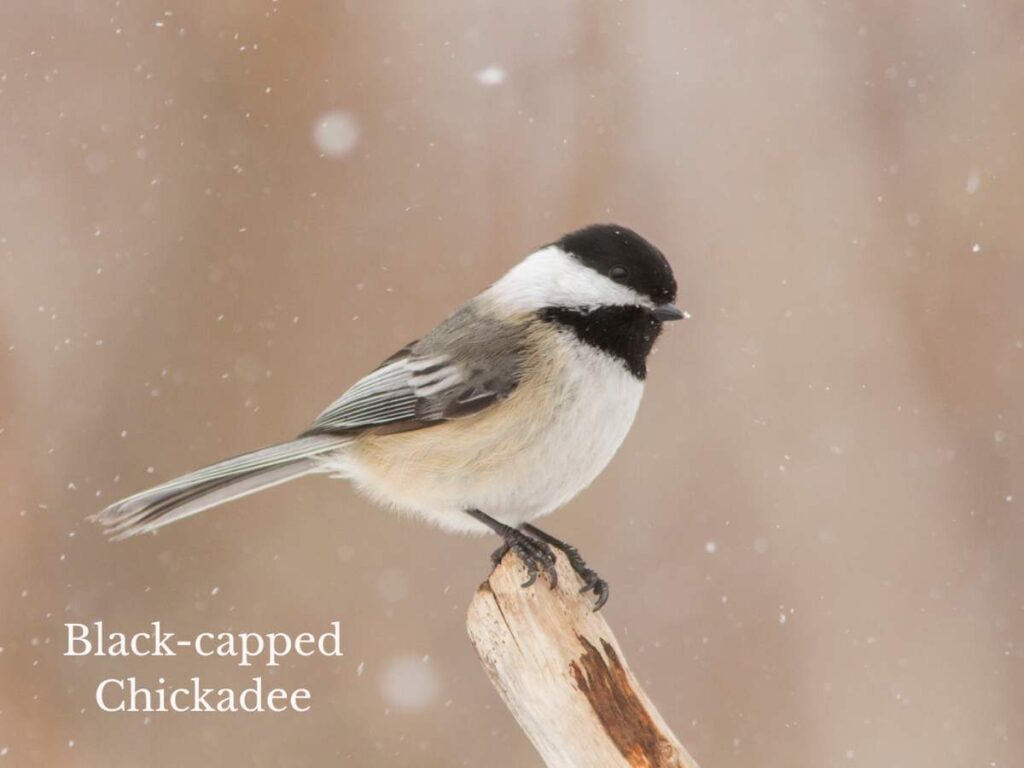
    Black-capped Chickadee

    This tiny, year round friendly resident will often be curious of you. You’ll see them in forest and residential areas alike

    3. 

    Northern Cardinal

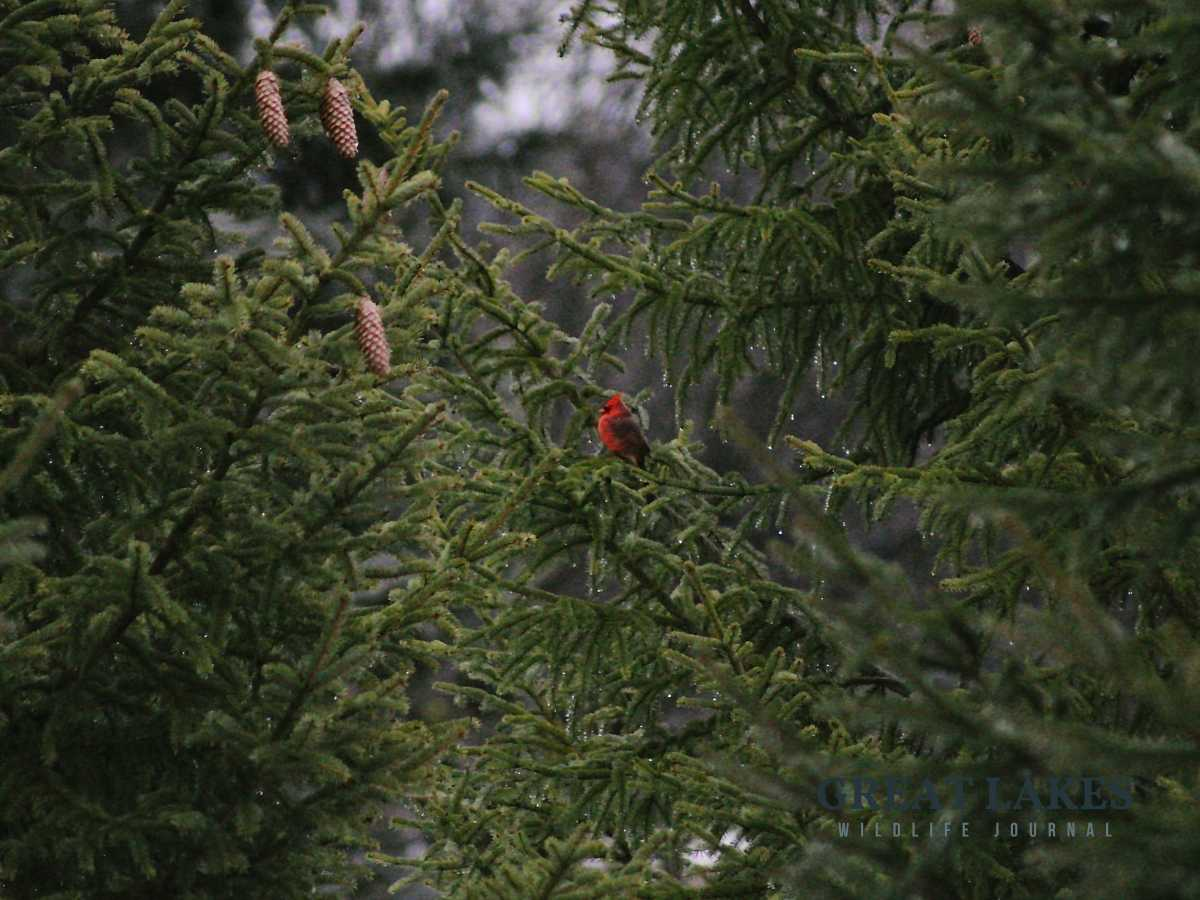
    With its eye catching color and beautiful whistle, the northern cardinal adds a splash of color to any forest landscape, especially during snowing months.

    4. 

    Sandhill Crane

    These long legged elegant birds are known for their distinctive calls. You’ll find them in Michigans wetlands and open fields during migration season.

    5. 

    Red-Winged Black Bird

    These little black birds will catch your eye with their bright  red stripe. They can be be found in a variety of areas such as wetlands, marshes, grasslands, and even urban areas.

    6. 

    Downy Woodpecker

    The smallest of North America’s woodpeckers, the Downy is a common sight in Michigan’s woodlands and backyards, easily recognized by its black and white feathers and drumming sounds  

    7. 

    Yellow-rumped Warbler

    Also known as  “butter butts” due to the bright yellow patch on their rumps, these warblers are one of the earliest to return in spring.

    8. 

    Blue Jay

    Known for their intelligence and complex social behaviors, Blue Jays are striking with their blue, white, and black plumage and are frequent visitors to bird feeders

    9. 

    White-breasted Nuthatch

    These small birds can often be seen going head first into a tree trunk looking for insects and emitting a “yank yank” sound.

    10. 

    American Goldfinch

    Bright yellow in the summer and more subtle in the winter, these finches are a delight to watch when they visit your feeder.

    Tips for Spotting These Birds:

    • Early Mornings: Birds are most active during dawn.
    • Diverse Habitats: Explore different environments—forests, wetlands, and meadows—to increase your chances of sightings.
    • Feeder Setup: Attract a variety of birds by offering seeds,  and fruits.
    • Stay Quiet: Move slowly and minimize noise to avoid startling birds.

    Happy birding! Don’t forget to share your sightings and photos with me on Instagram and Facebook @greatlakeswildlifejournal. Let’s celebrate Michigan’s incredible birdlife together!

  • 5 Tips On Photographing Wildlife Without Disturbing Them

    5 Tips On Photographing Wildlife Without Disturbing Them

    One of the best parts of wildlife photography is the thrill of seeing animals in their natural environment. But as exciting as it is, it’s also important to remember that we’re guests in their space. I’ve had moments where I was tempted to move just a little closer but I’ve learned that the best photos often come when we slow down, keep our distance, and let the moment unfold naturally.

    1. Understanding Animal Behavior

    One of the most important things you can do before heading out is to learn about the species you’re hoping to photograph. Knowing their habits, routines, and warning signs will help you avoid stressing them out.

    Some common signs that an animal is feeling uncomfortable or threatened include:

    • Sudden freezing or staring — the animal is alert and watching you closely.
    • Alarm calls or warning sounds — birds, squirrels, and even deer will sound the alarm.
    • Moving away or hiding — a clear sign they want more space.
    • Defensive behavior — like fluffing up, stomping, hissing, or making themselves look larger.

    If you notice any of these, it’s time to slow down, back off, or even leave the area. No photo is worth distressing an animal.

    2. Keep Your Distance

    One of the best ways to photograph wildlife respectfully is to give them plenty of space. A telephoto lens (300mm or longer) allows you to capture detailed shots without getting too close. Not only does this reduce the risk of disturbing the animal, but it also helps you stay safer in the field.

    Whenever possible, let the animal come to you. Staying still and quiet often leads to more natural and relaxed moments than trying to chase or follow them.

    3. Respect Nests and Dens

    As tempting as it may be to photograph baby animals or peek into a bird’s nest, it’s best to avoid these sensitive areas altogether. Wildlife can be especially vulnerable during nesting and denning seasons.

    Getting too close can cause parents to abandon their young, attract predators to the area, or add unnecessary stress to an already demanding time. It’s just not worth the risk.

    4. Follow Local Regulations and Ethical Guidelines

    Before heading out, always check the rules of the park, reserve, or public lands you’re visiting. Many areas have specific guidelines for interacting with wildlife, especially during sensitive seasons like breeding or migration.

    Also, consider learning from organizations that promote ethical nature photography, like NANPA or Audubon. Their guidelines offer great insight into how we can be better stewards with our cameras.

    5. Leave No Trace

    The golden rule: leave nature exactly as you found it.

    • Stick to trails when you can to avoid damaging delicate habitats.
    • Don’t move branches, bait animals, or alter the environment for a better photo.
    • Pack out everything you brought with you trash, gear, even biodegradable items.
    • Avoid using playback calls or sounds that may disrupt natural behaviors.

    When we photograph with care, we help preserve the beauty and balance of wild places for everyone including the wildlife.

    In Conclusion

    If you remember just three things, let them be this: patience, distance, and respect. You’ll be amazed at the kinds of moments that come your way when you let nature take the lead. The best shots often happen when we slow down, observe quietly, and allow wildlife to be exactly what it is…wild.

    Share your favorite stories of times when you waited and let nature do its thing! You can tag me on Facebook and Instagram @greatlakeswildlifejournal.

  • There’s something magical about the outdoors

    There’s something magical about the outdoors

    Welcome to Great Lakes Wildlife Journal

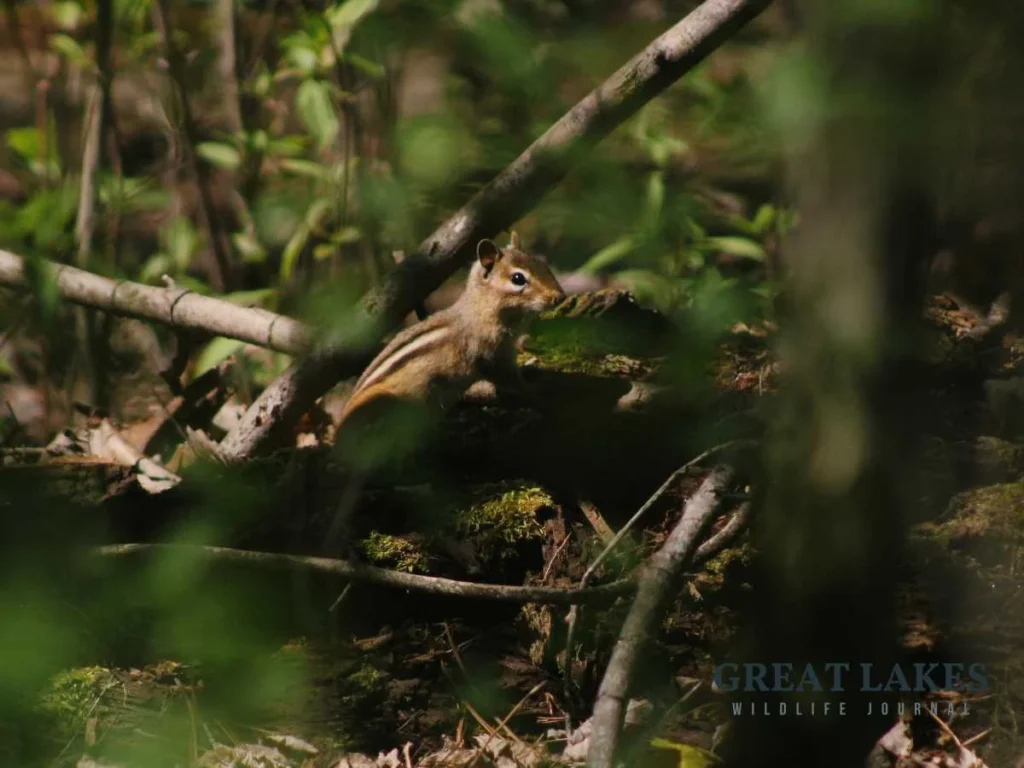
    Chipmunk on forest floor in Michigan

    Hi, I’m Aimee and if you know me, you know I have a deep love for all things wild. Birds, frogs, turtles, and just about any creature that calls nature home hold a special place in my heart.

    One of the most beautiful things about living in Michigan is the incredible variety of wildlife that surrounds us. From thick forests and sandy dunes to tranquil wetlands and stunning lakeshores, each landscape offers a chance to encounter something new and wild.

    Why I Created Great Lakes Wildlife Journal

    This space is my little corner of the internet where I can share stories from the field, personal reflections, helpful photography tips, and ways we can all give back to the wild places and creatures we love. My hope is that through these posts, you’ll feel inspired to explore more, observe more, and maybe even pick up a camera of your own.

    What You’ll Find Here

    Great Lakes Wildlife Journal will cover topics like:

    • The secret lives of migrating birds
    • Wildlife to watch for as the seasons change
    • Tips for capturing stunning wildlife photos—no matter what kind of camera you use
    • Conservation efforts and simple ways to support your local animals and habitats

    Whether you’re a seasoned birder, a weekend trail wanderer, or someone who simply enjoys watching wildlife from your window, there’s something here for you.

    Coming Soon…

    There’s so much to discover in the wild spaces of the Great Lakes region, and I can’t wait to take you along on each adventure.

    Let’s Stay Connected

    Follow me on Instagram and Facebook @greatlakeswildlifejournal for new photos, updates, and behind the scenes peeks at life in the wild.

    Thanks for stopping by and welcome to the journey!