Web Analytics

Category: Beginner Birding

  • Is Bread Bad for Birds? The Truth About Feeding Ducks and Songbirds

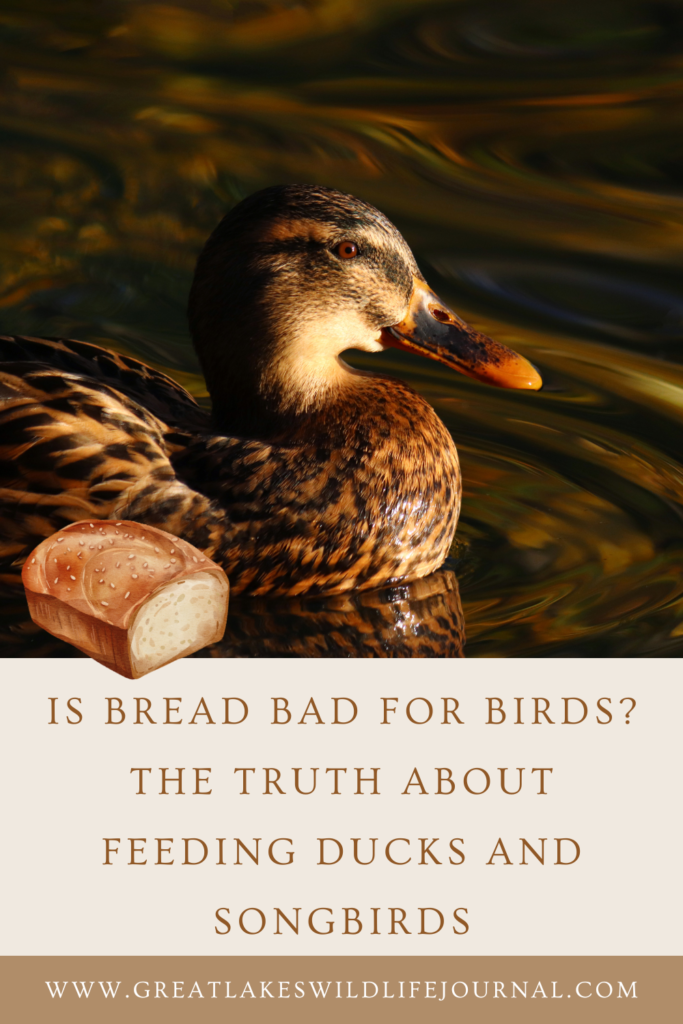
    Is Bread Bad for Birds? The Truth About Feeding Ducks and Songbirds

    Feeding birds is one of the simplest ways to connect with nature whether it’s tossing crumbs to ducks at the park or sprinkling bits of bread in your backyard. But while it feels kind, feeding bread to birds can actually be harmful.

    Here’s why bread isn’t good for ducks, swans, or songbirds and what you can give them instead to keep them healthy and wild.

    🥖 Why Bread Isn’t Good for Birds

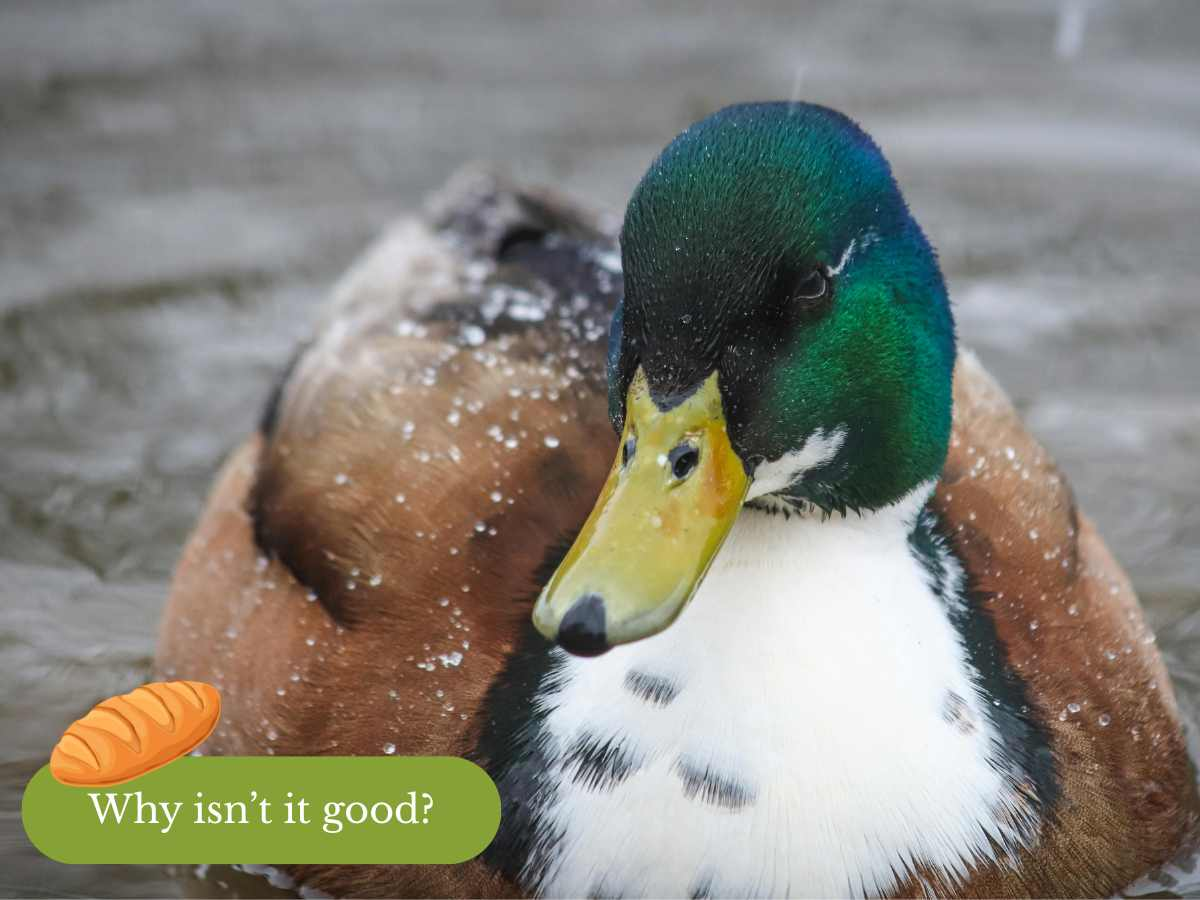
    Bread fills birds up quickly, but it doesn’t provide the nutrition they need. White and processed breads are mostly carbohydrates with little protein or essential nutrients.

    When birds eat too much bread, they can suffer from:

    • Malnutrition: They may look full but lack vital nutrients.
    • Weakened feathers and immune systems: Making migration and survival harder.
    • Dependency on human food: Birds may stop foraging naturally.

    Bread is like junk food for birds. Tasty but unhealthy.

    ⚠️ The Hidden Dangers of Feeding Bread

    Feeding bread creates bigger environmental problems than most people realize:

    1. “Angel Wing” in Waterfowl: Young ducks and geese that eat too much bread can develop a deformity called angel wing, which prevents them from flying.
    2. Water Pollution: Uneaten bread molds, grows bacteria, and fuels algae blooms that harm fish and other wildlife.
    3. Disease and Overcrowding: Regular feeding spots attract too many birds, spreading illness and creating unsafe, dirty environments.
    4. Pests and Rodents: Leftover bread draws rats and raccoons, which disrupt local ecosystems.

    Feeding bread doesn’t just hurt individual birds but it can unbalance entire habitats.

    🌾 What to Feed Birds Instead of Bread

    If you love feeding birds, here are safe and nutritious alternatives:

    • Black oil sunflower seeds: High in protein and energy for songbirds.
    • Cracked corn or millet: Great for ducks, sparrows, and doves.
    • Oats, barley, or cooked rice: Easy to digest and nutritious.
    • Mealworms: A protein packed favorite for bluebirds and chickadees.
    • Thawed frozen peas or corn: Perfect for feeding ducks safely.
    • Fruit pieces: Try grapes, apple slices, or chopped berries.

    These foods mimic what birds naturally eat, providing real nutrition without the downsides of bread.

    💚 Responsible Bird Feeding

    Feeding birds can be a beautiful way to connect with wildlife if done responsibly.

    • Offer healthy, natural foods.
    • Avoid processed human foods like bread, chips, or crackers.
    • Keep feeders clean to prevent disease.
    • Feed in moderation to avoid dependence.

    If you visit a local pond, bring birdseed or thawed peas instead of bread. Your small action helps keep birds wild and ecosystems balanced.
    🌿 The Bottom Line

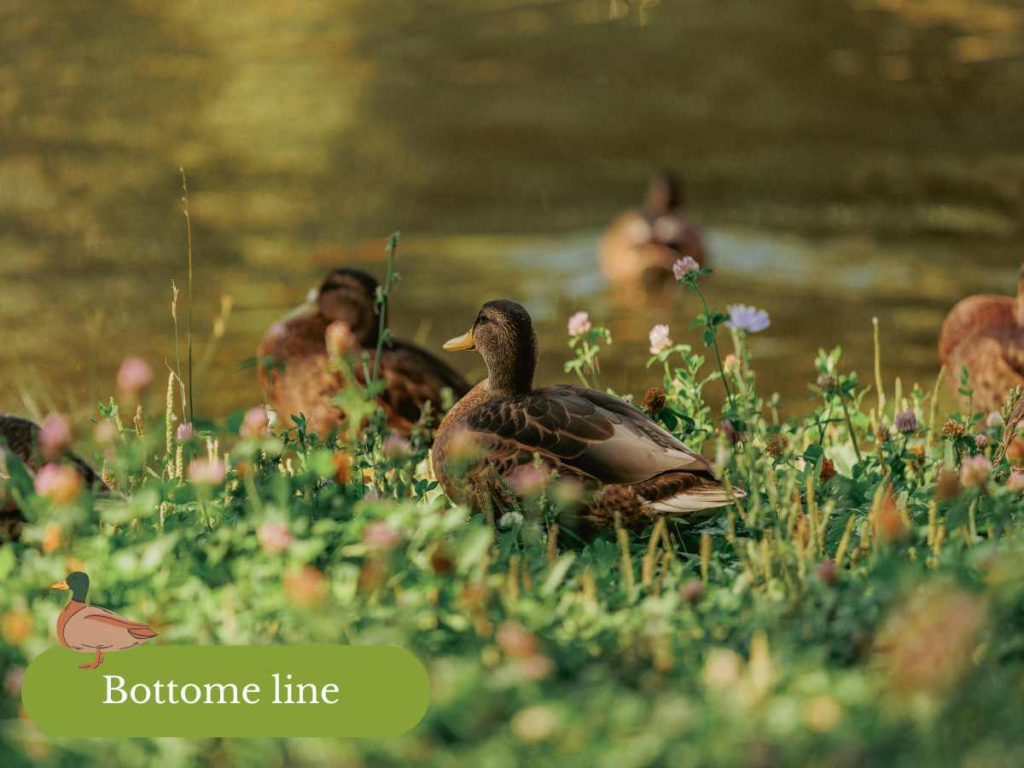
    So, is bread bad for birds? Yes and now you know why. Bread might seem harmless, but it can lead to malnutrition, disease, and environmental damage. By choosing healthier alternatives and spreading awareness, you’re helping protect birds across Michigan and beyond.

    If you’ve fed bread before, don’t feel bad, most people simply don’t know. That’s why I write these articles. To educate and to inform about the best ways to care for birds and wildlife.
  • 10 Warblers You Can See in the Great Lakes Region (and How to Identify Them)

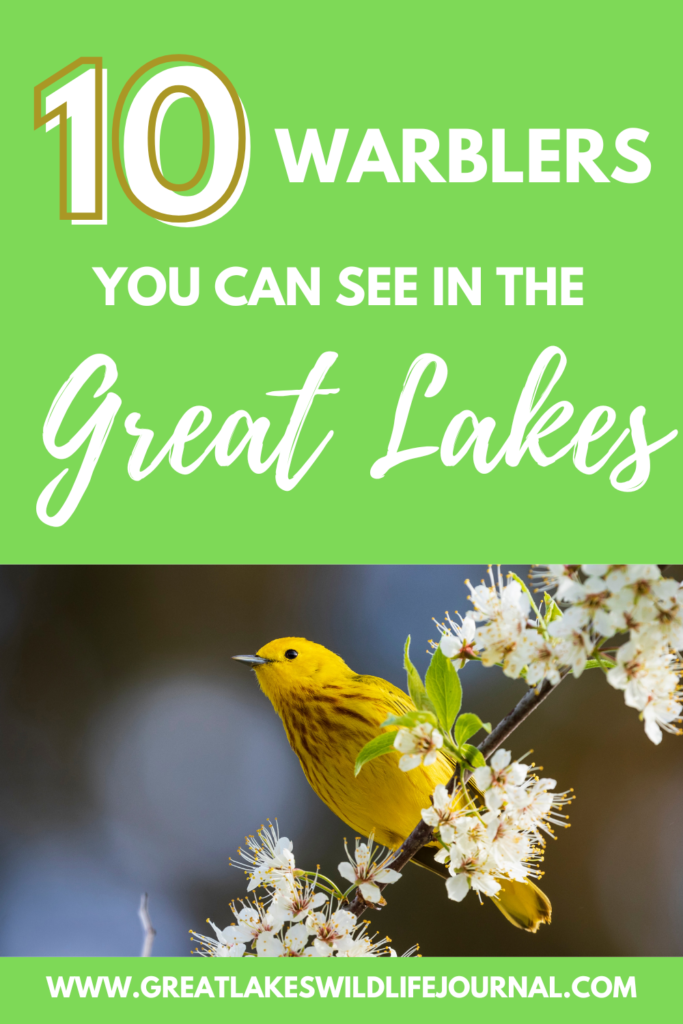
    10 Warblers You Can See in the Great Lakes Region (and How to Identify Them)

    Each spring and summer, the forests, wetlands, and shorelines of the Great Lakes region burst into song as colorful warblers arrive from their southern wintering grounds. These tiny, restless birds can be challenging to spot, but learning their markings, songs, and favorite habitats makes every sight rewarding.

    Whether you’re exploring a lakeside trail or watching from your backyard, here are 10 warblers you can see in the Great Lakes region and tips to help you identify each one.

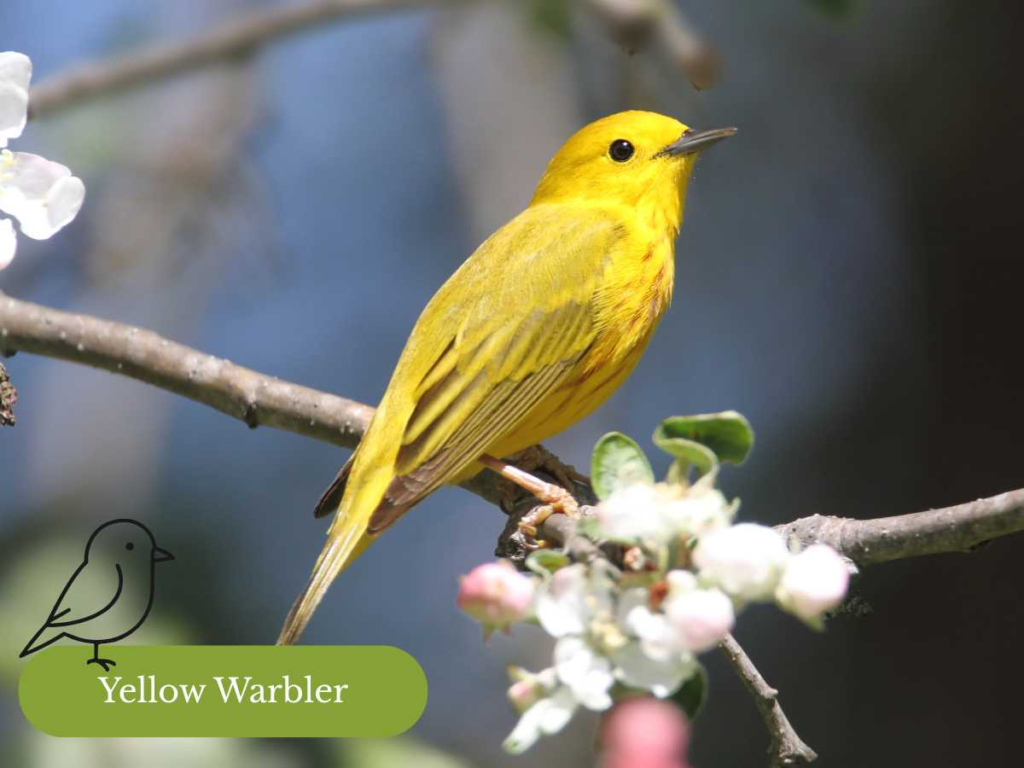
    1. Yellow Warbler

    How to identify: Bright lemon-yellow plumage with subtle chestnut streaks on the chest.

    Where to find them: Shrubby wetlands, stream edges, and willow thickets.

    Listen for: A cheerful “sweet-sweet-sweet, I’m so sweet!” song.

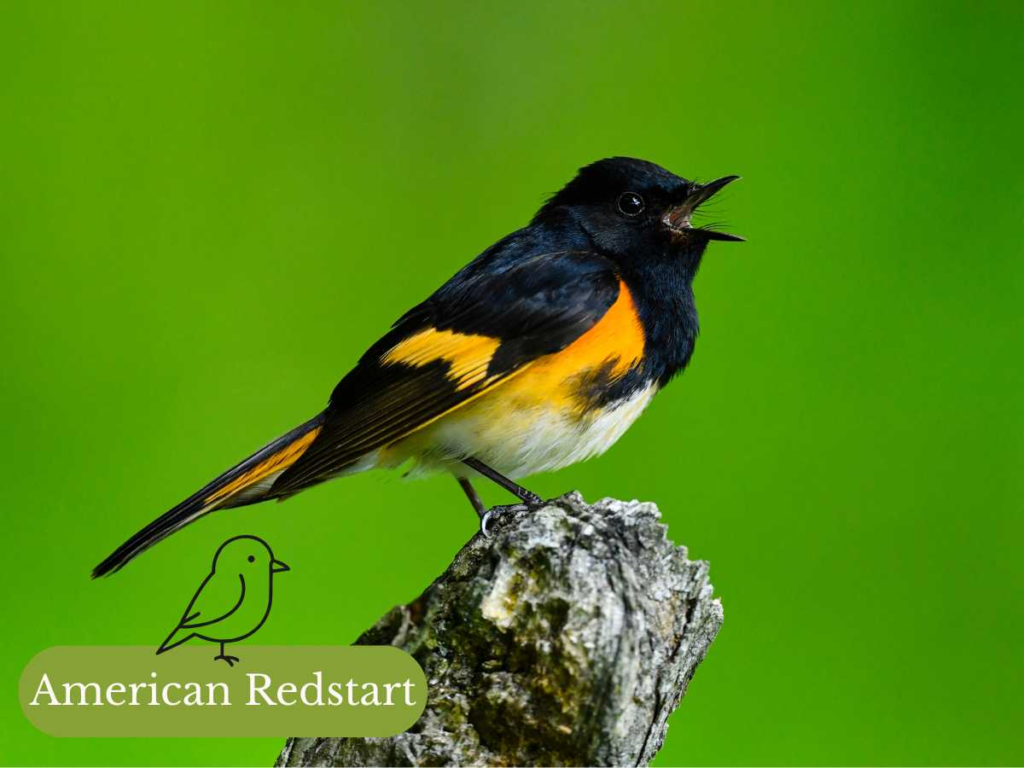
    2. American Redstart

    How to identify: Black (or gray in females) with bright orange patches on the wings and tail.

    Where to find them: Deciduous forests and wooded backyards.

    Behavior tip: They often fan their tails to flush insects.

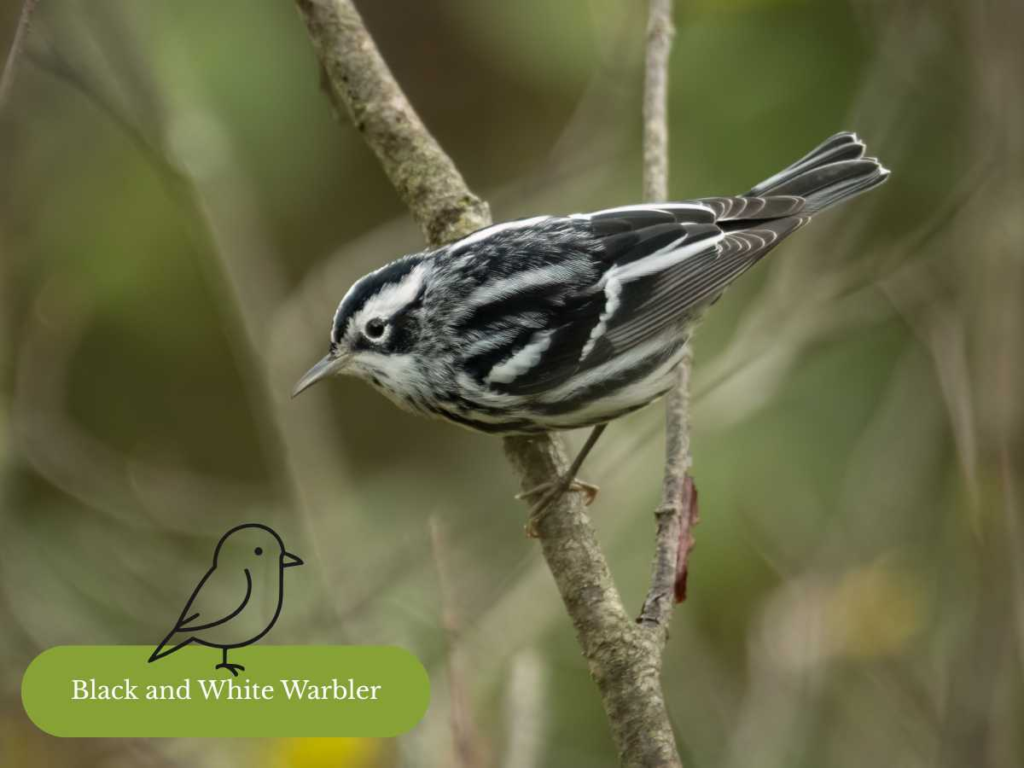
    3. Black-and-white Warbler

    How to identify: Striking black-and-white stripes, like a tiny zebra.

    Where to find them: Tree trunks and branches. This warbler creeps along bark like a nuthatch.

    Listen for: A thin, squeaky song like a wheel turning: wee-see, wee-see, wee-see.

    4. Common Yellowthroat

    How to identify: Males wear a black “bandit” mask; females are plain yellow and olive.

    Where to find them: Marshes, wet meadows, and brushy fields.

    Listen for: The bouncy “witchety-witchety-witchety” call.

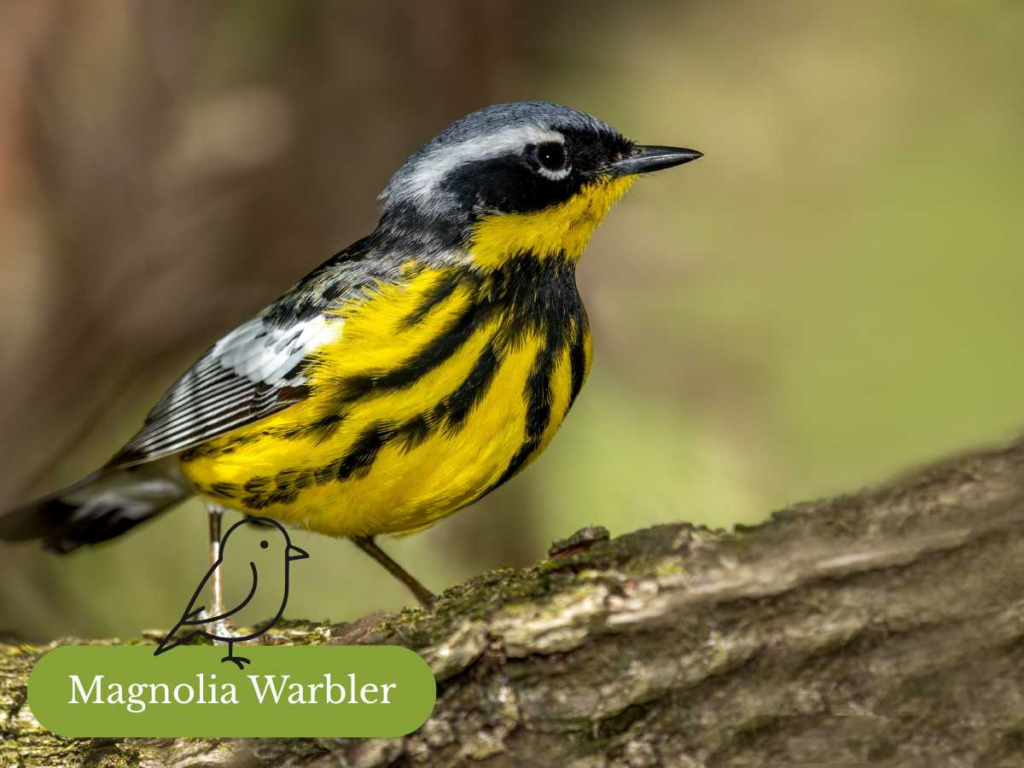
    5. Magnolia Warbler

    How to identify: Yellow chest with bold black streaks, white wing bars, and a gray back.

    Where to find them: Coniferous forests and mixed woods during migration.

    Fun fact: Despite the name, they don’t nest near magnolias, they were first spotted in one!

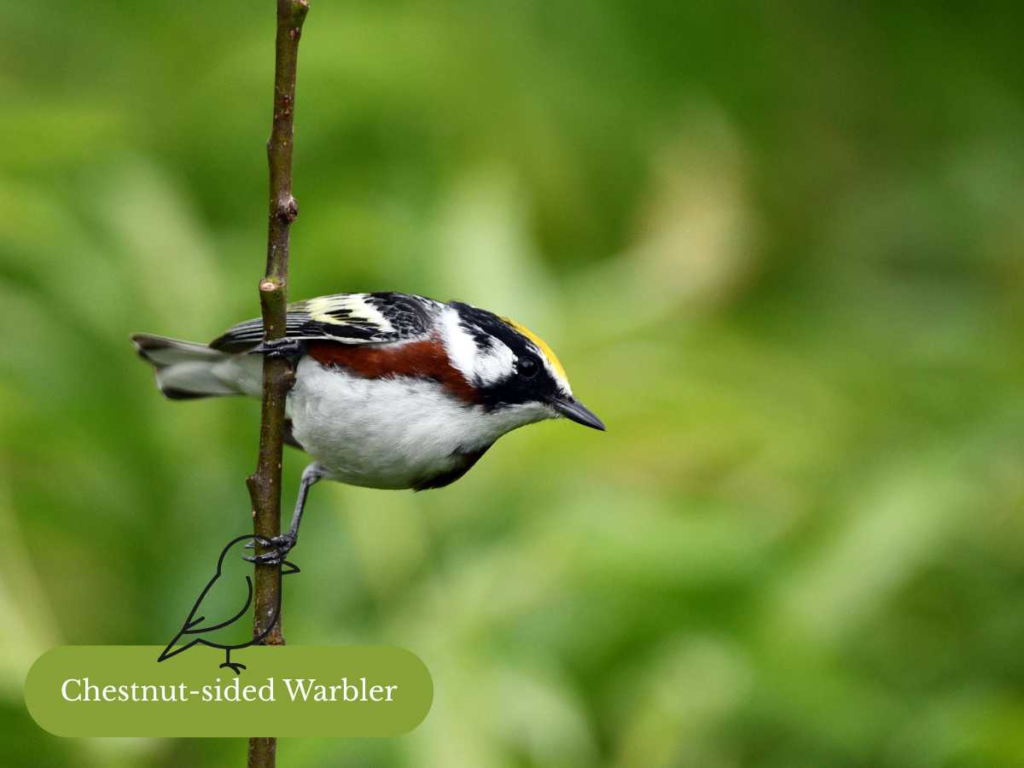
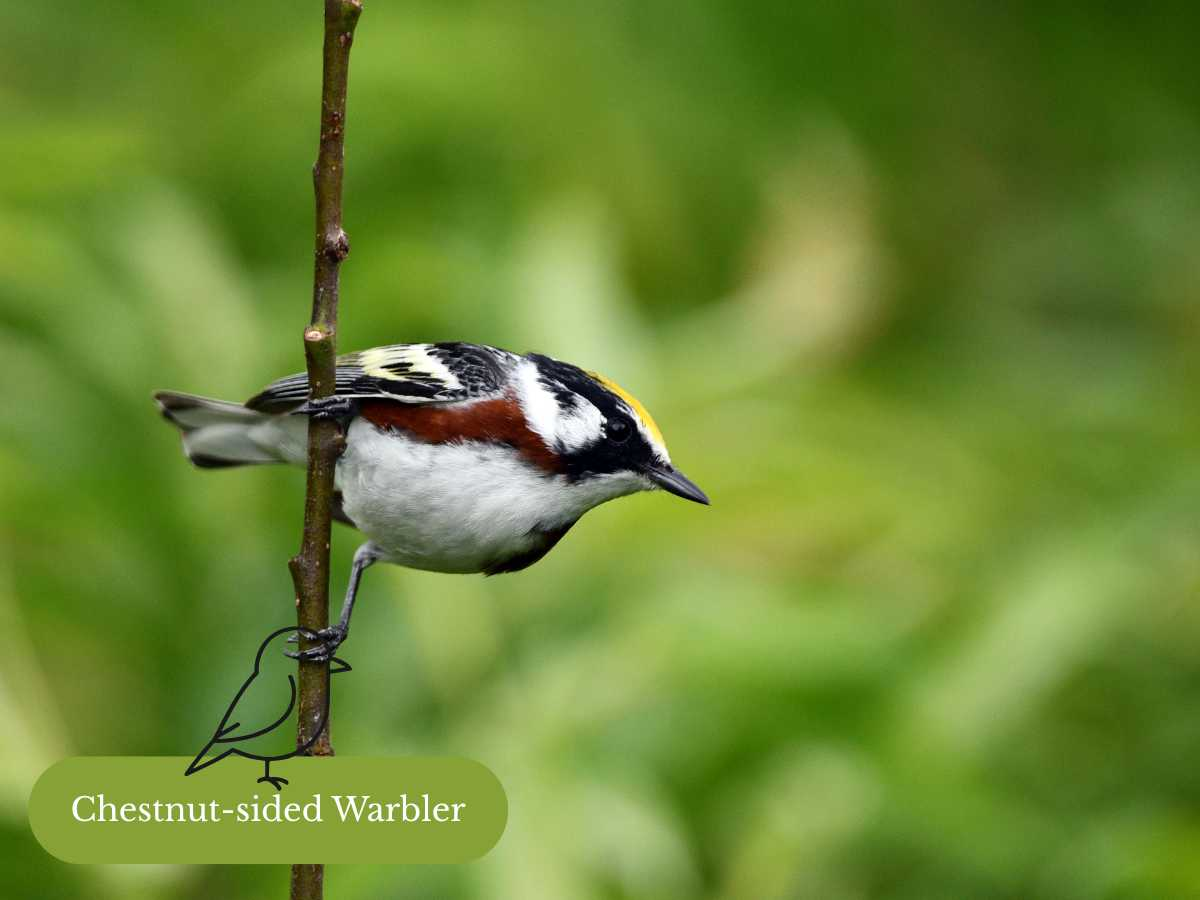
    6. Chestnut-sided Warbler

    How to identify: White underside with a chestnut stripe down the sides and a yellow crown.

    Where to find them: Regenerating clearings and young forests.

    Listen for: “Pleased, pleased, pleased to meetcha!”

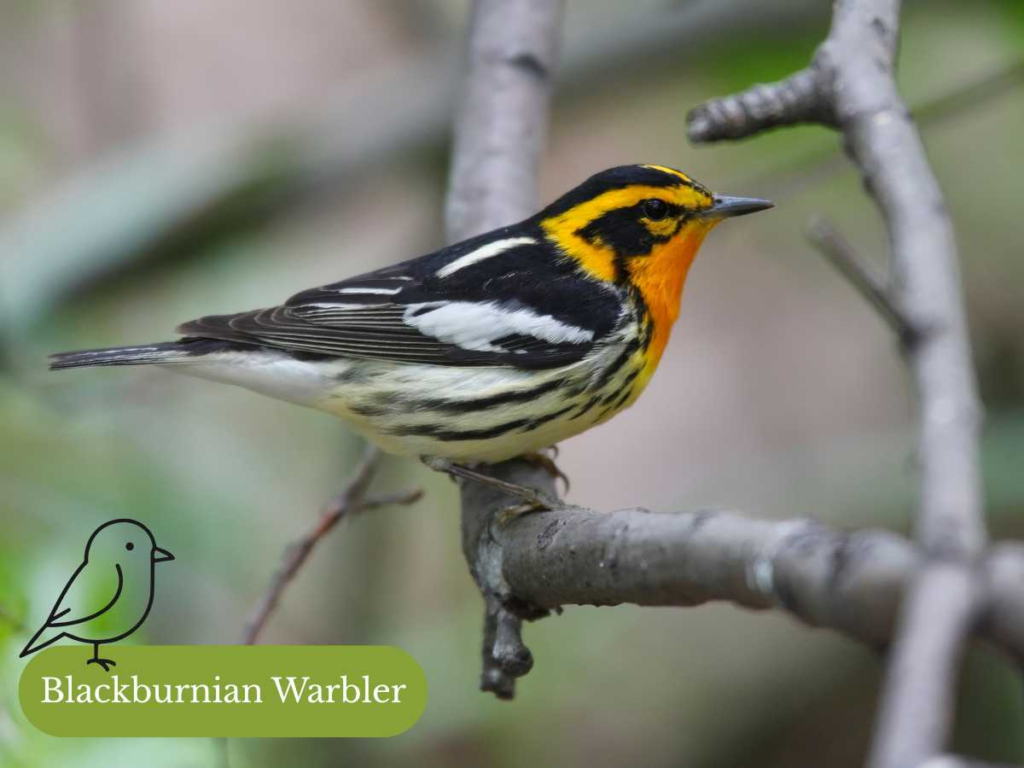
    7. Blackburnian Warbler

    How to identify: A fiery orange throat that glows in the canopy.

    Where to find them: High in mature coniferous forests, often near hemlocks or spruces.

    Pro tip: Look for them during migration when they forage lower.

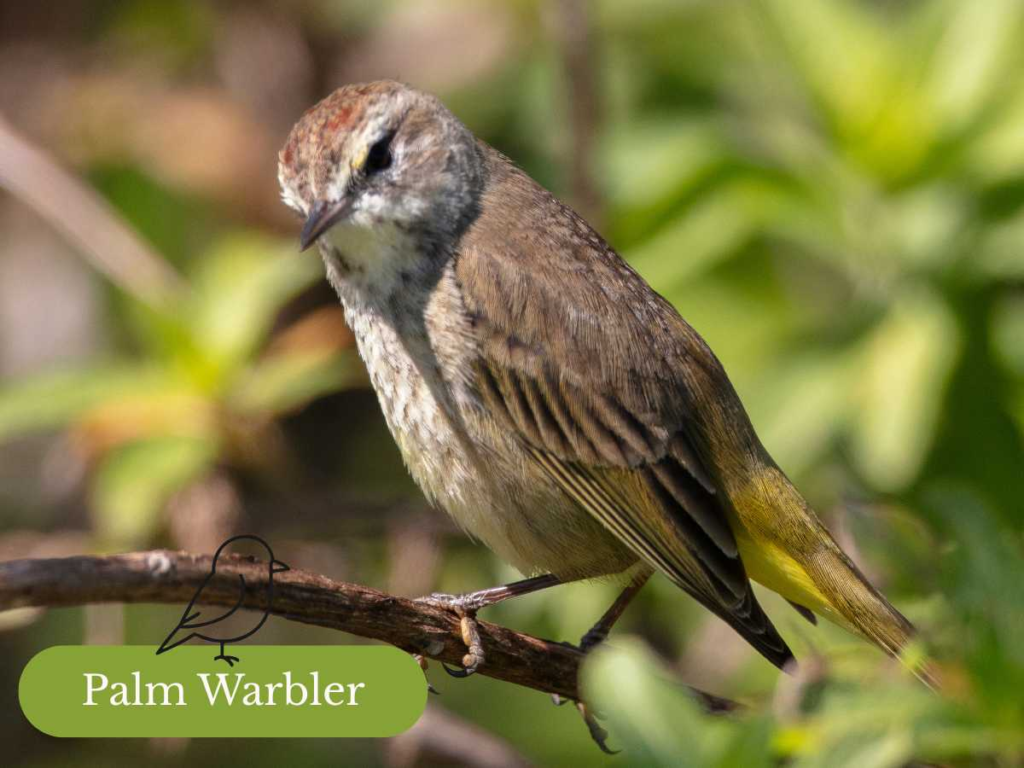
    8. Palm Warbler

    How to identify: Brownish-olive above, yellow below, with a rusty cap and tail-wagging habit.

    Where to find them: Open areas with scattered trees, especially during migration.

    Behavior tip: That constant tail-bob gives them away.

    9. Yellow-rumped Warbler

    How to identify: Blue-gray back, yellow patches on the rump, sides, and crown.

    Where to find them: Very adaptable. Seen in woods, parks, and backyards.

    Fun fact: One of the few warblers that can digest waxy berries, allowing it to stay farther north in winter.

    10. Black-throated Green Warbler

    How to identify: Olive-green back, yellow face, and a bold black throat.

    Where to find them: Coniferous and mixed forests, especially near lakes and streams.

    Listen for: “Trees, trees, whispering trees.”

    Final Tips for Spotting Warblers

    • Go early: Morning light and activity are best for sightings.
    • Listen first: Learn a few key songs. They’ll guide your eyes.
    • Stay patient: Warblers move fast, but pausing quietly often brings them into view.
    • Bring binoculars: A lightweight pair helps you catch those fleeting colors.

    Want to read about 10 more birds you can see in this area? Click here to read.

  • How to Attract Birds to Your Yard This Fall

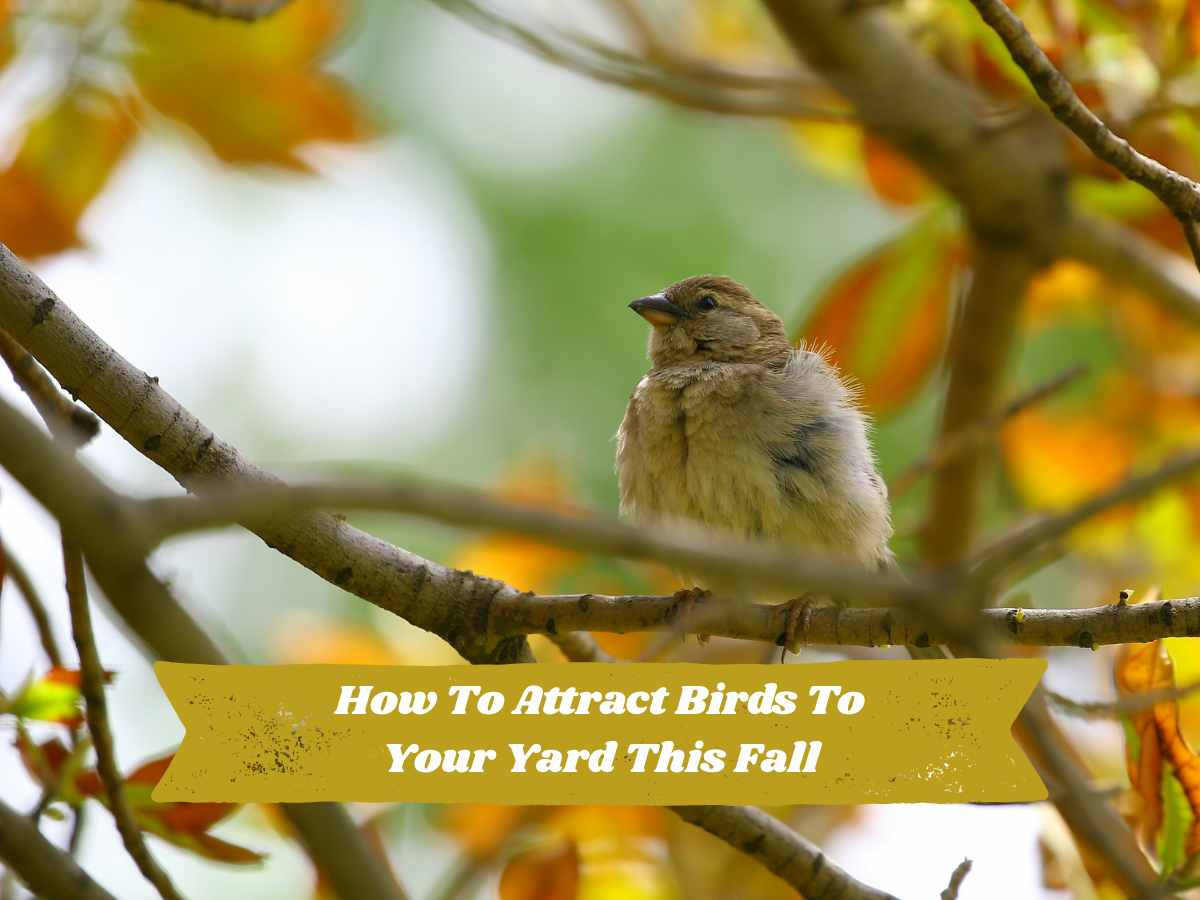
    How to Attract Birds to Your Yard This Fall

    Fall is one of the best times to attract birds to your backyard and prepare them for the long winter ahead. Whether you’re a seasoned birder or just getting started, here are five simple ways to make your yard a fall bird magnet.

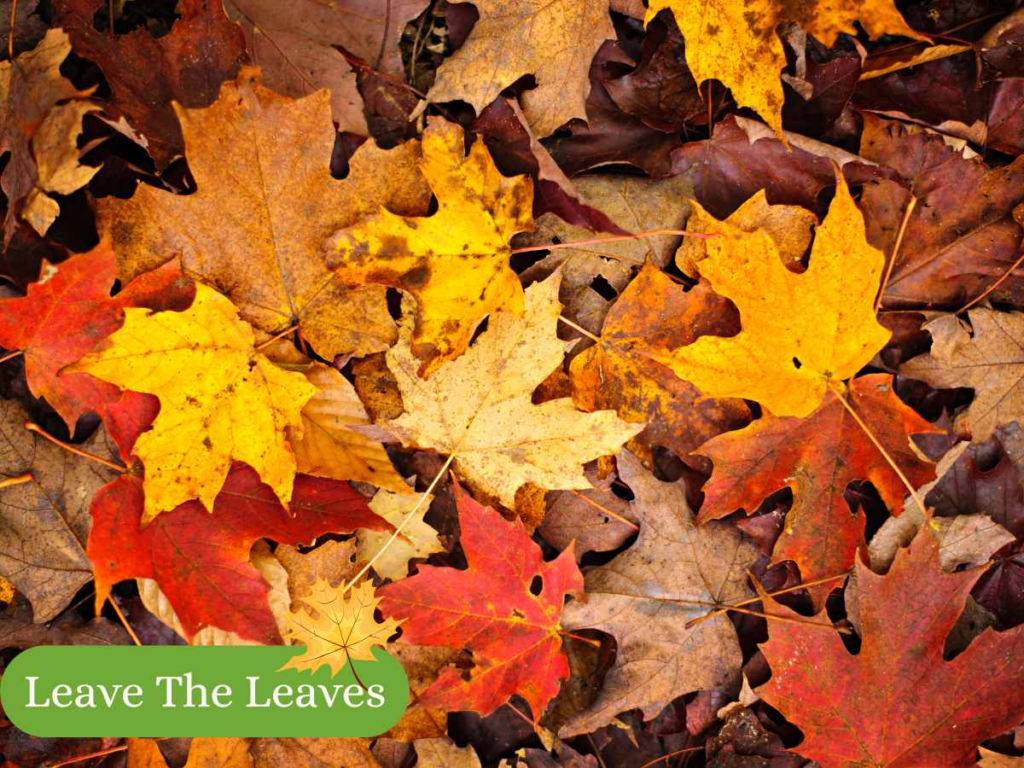
    🍁 1. Leave the Leaves

    Skip the raking (yes, really!). Leaf litter is full of insects, which are a vital food source for ground foraging birds like sparrows, towhees, and robins. Plus, fallen leaves provide shelter for overwintering insects that birds will eat later in the season.

    🌾 2. Let Native Plants Go to Seed

    Don’t cut back your native perennials just yet. Coneflowers, black-eyed Susans, goldenrods, and grasses provide natural seed heads that birds like finches and chickadees love to snack on. These plants also offer cover from predators as the foliage thins.

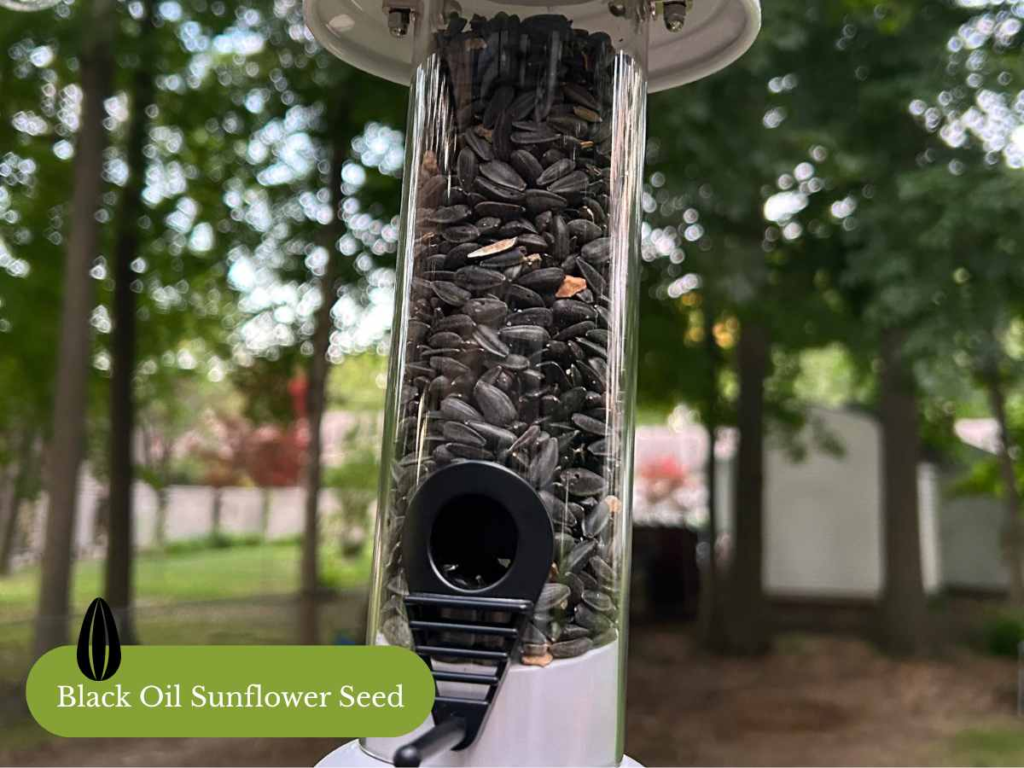
    🌻 3. Stock Up on High-Energy Foods

    Fall migration burns a lot of calories. Offer energy rich foods like:

    • Black-oil sunflower seeds
    • Suet cakes (great in cooler temps!)
    • Peanut bits
    • Nyjer seed for goldfinches

    Keep feeders clean and full, migrating birds may only stop once.

    Find my article on The 5 Best Bird Feeders For Your Yard for tips on the best ones to use.

    💧 4. Keep Water Available

    As natural water sources dry up or freeze, a clean birdbath becomes critical. Add a heated birdbath or a simple de icer to keep water accessible even on frosty mornings. Place it near shrubs for safety, and clean it every few days to prevent algae.

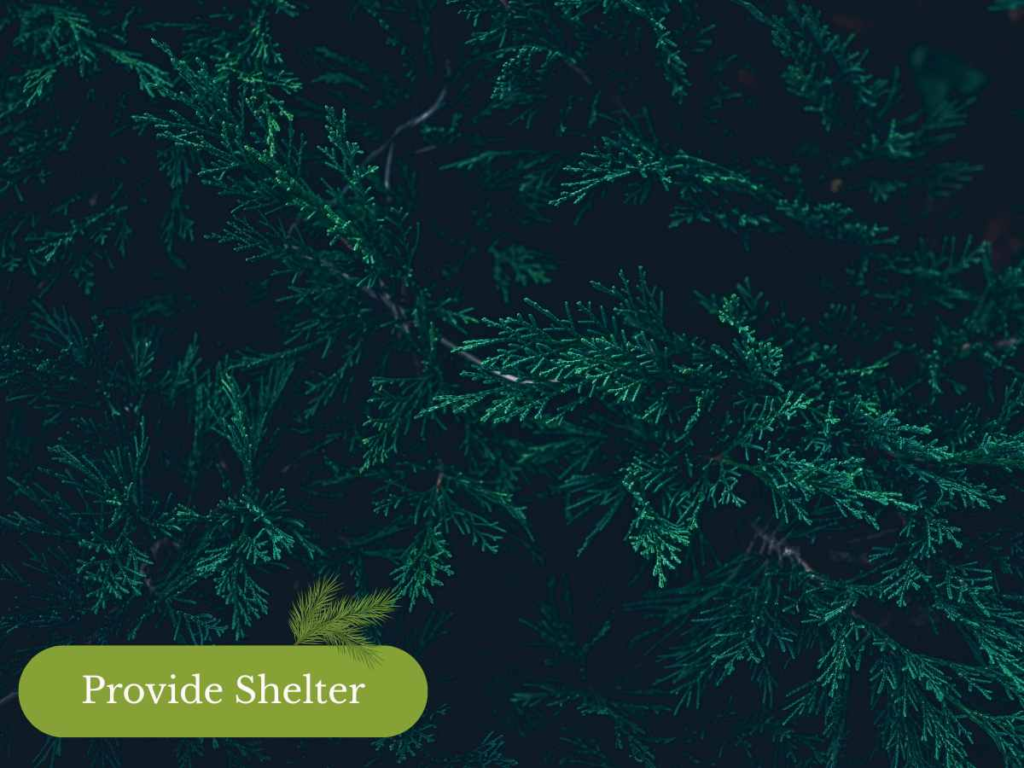
    🌲 5. Provide Shelter

    Birds need safe places to rest and stay warm. Dense evergreens, brush piles, or native shrubs create shelter from wind and predators. You can also leave up birdhouses some birds roost in them during cold nights!

    🌟 Bonus Tip: Log Your Fall Visitors

    Keep a simple journal or use an app like Merlin or eBird to track which birds show up. You might spot surprising migrants on their way south!

    Attracting birds in fall is about more than feeders. It’s about building a bird friendly habitat. A little effort now goes a long way in supporting your feathered visitors through migration and into winter.

    Curious which birds stay through fall in the Great Lakes?

    Check out our list of 10 Birds You Can Still See In Your Backyard This Fall to see which birds to look out for!

  • The 5 Best Bird Feeders for Your Yard

    The 5 Best Bird Feeders for Your Yard

    Attract More Birds with the Right Feeders for Every Season

    Creating a bird friendly backyard starts with choosing the right feeders. Whether you’re hoping to attract colorful finches, curious chickadees, or a variety of species throughout the year, the feeder you choose makes a big difference. In this post, we’ll explore the best types of bird feeders for your yard, what birds they attract, and how to use them effectively plus I’ll share links to some of my top recommended products.

    Want to attract more birds to your feeder?

    Download my FREE Feeder Placement Chart to learn exactly where to hang your feeders for the best bird activity. Whether you’re just get started or looking to improve your setup, this quick guide will help you create a bird friendly backyard in no time. Grab your free chart here.

    💡 Some of the links below are affiliate links. If you click through and make a purchase, I may earn a small commission at no extra cost to you.

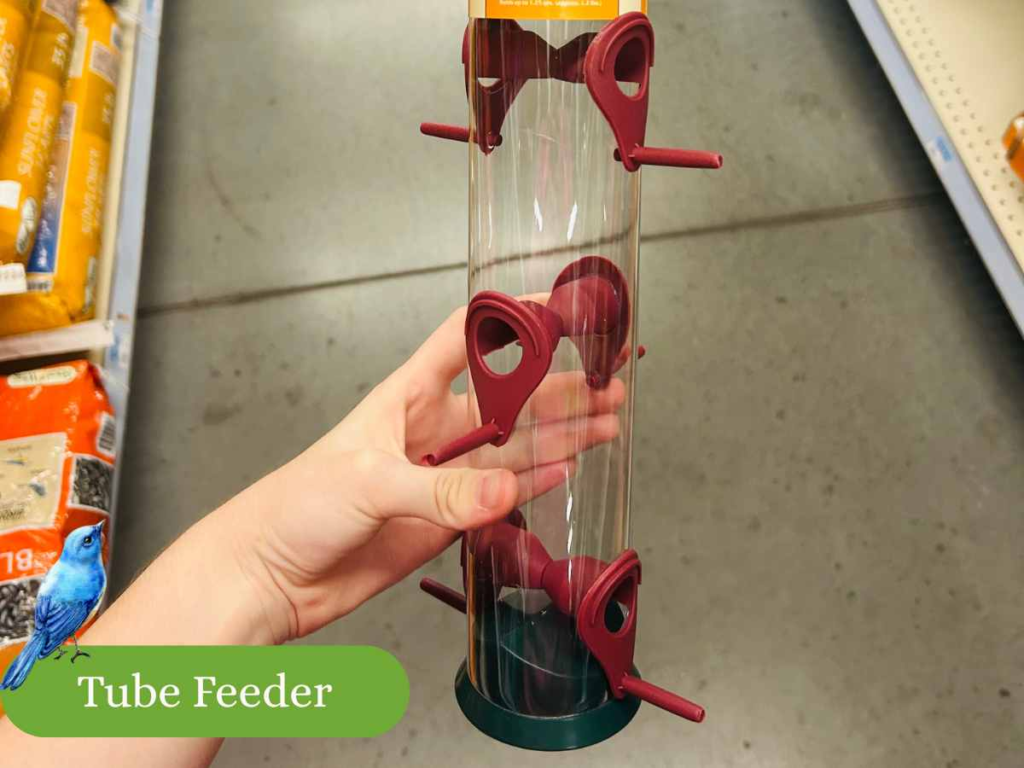
    1. Tube Feeders – Great for Small Songbirds

    Tube feeders are a classic and essential choice for backyard birders. Their vertical design with multiple feeding ports makes them ideal for attracting finches, chickadees, and nuthatches.

    🛒 Find Tube Feeder Here

    Recommended For:

    • American Goldfinches
    • Chickadees
    • House Finches
    • Nuthatches

    Pro Tip: Use nyjer seed or black-oil sunflower seeds for best results.

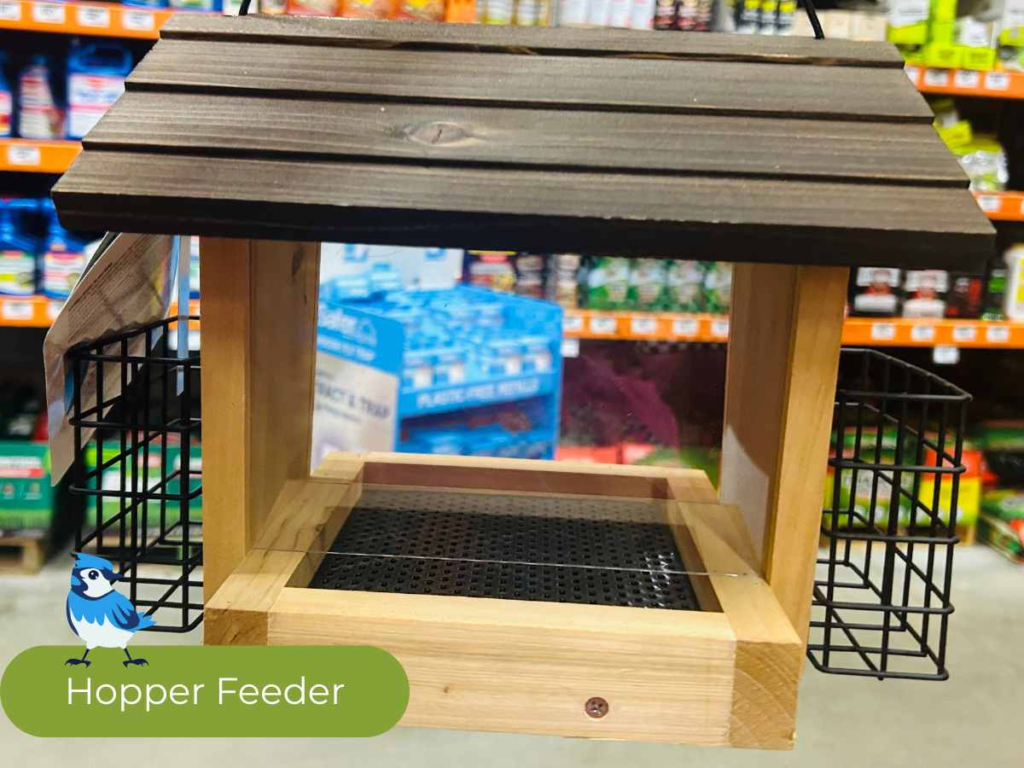
    2. Hopper Feeders – Great for Mixed Seed & Variety

    Hopper feeders resemble little houses and hold a large amount of seed. They’re perfect if you want to attract a diverse range of birds while refilling less often.

    🛒 Find Hopper Feeder Here

    Recommended For:

    • Cardinals
    • Blue Jays
    • Grosbeaks
    • Sparrows

    Pro Tip: Choose a weather resistant model with a roof to keep seed dry and fresh.

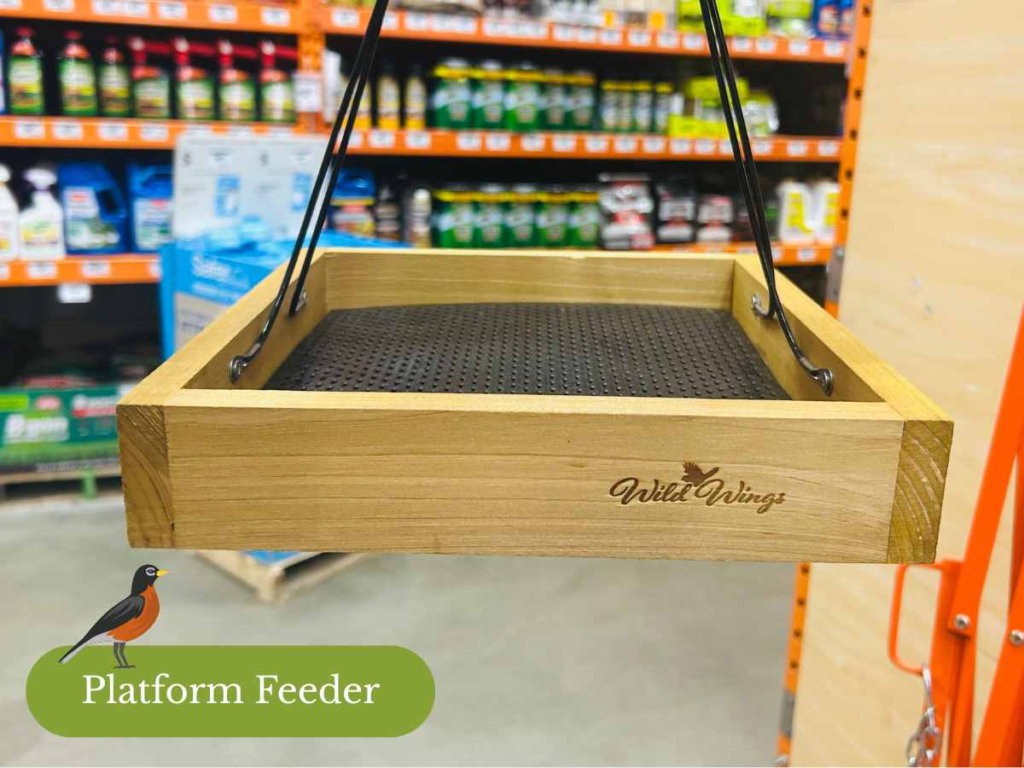
    3. Platform Feeders – Best for Ground Feeders and Easy Viewing

    These open, tray style feeders attract a wide range of species, including those that prefer to feed on flat surfaces. They also make birdwatching super easy!

    🛒 Find Platform Feeder Here

    Recommended For:

    • Mourning Doves
    • Juncos
    • Cardinals
    • Towhees

    Pro Tip: Clean frequently as these feeders don’t protect against weather or droppings.

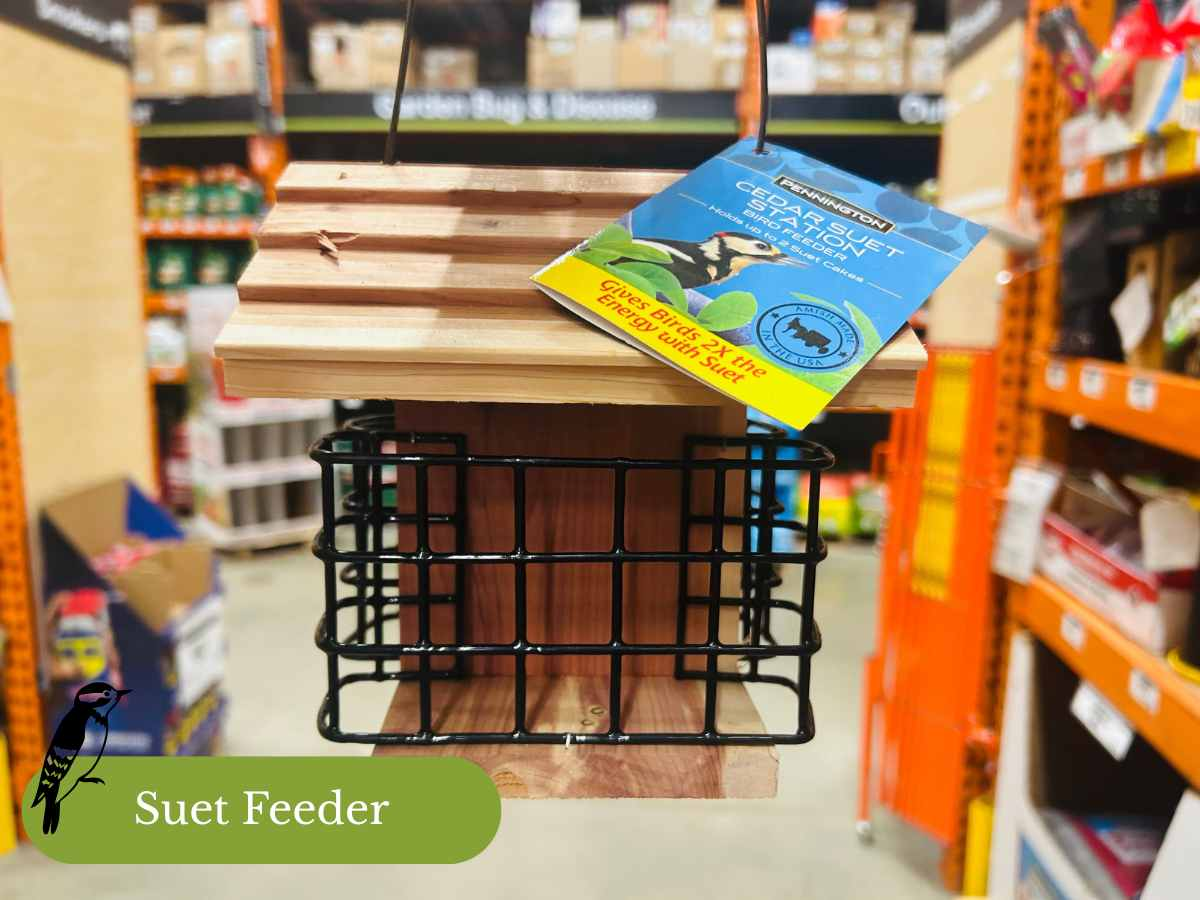
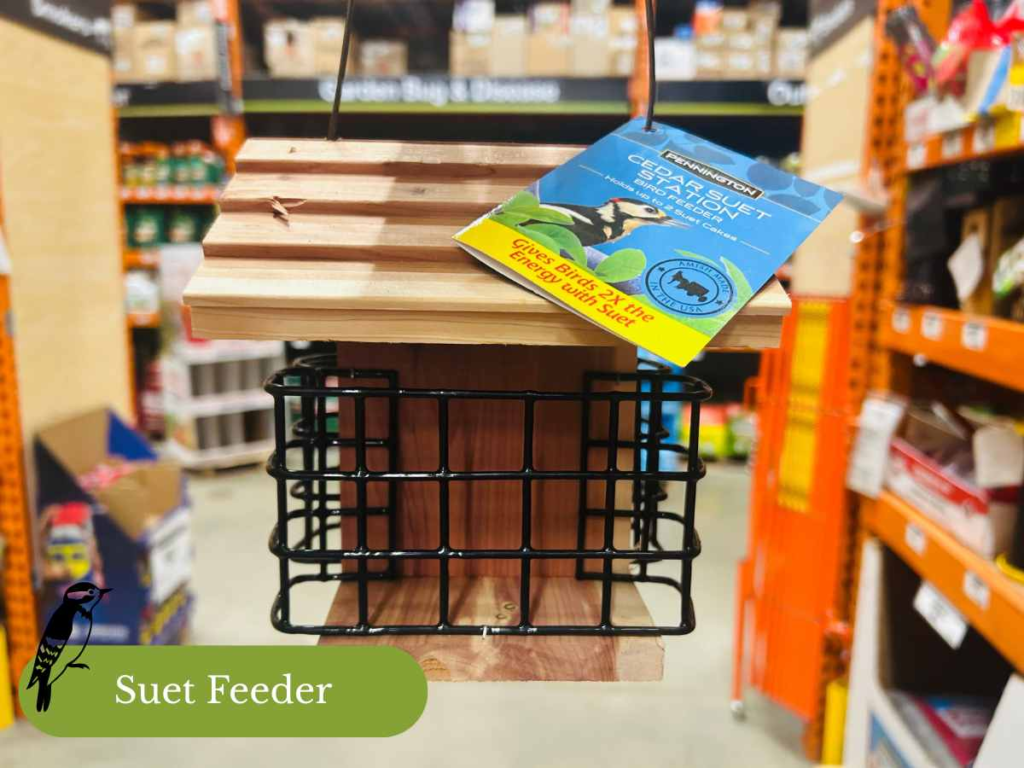
    4. Suet Feeders – Perfect for Winter Birds

    Suet feeders are a favorite in colder months when birds need high fat foods. Woodpeckers, nuthatches, and even wrens flock to them.

    🛒 Find Suet Feeder Here

    Recommended For:

    • Downy & Hairy Woodpeckers
    • Carolina Wrens
    • Nuthatches
    • Chickadees

    Pro Tip: Use suet cakes with added seeds or berries for extra appeal.

    5. Nectar Feeders – A Must for Hummingbirds

    For hummingbirds, a dedicated nectar feeder is essential. Look for red-colored feeders with easy to clean parts and bee guards.

    🛒 Find Nectar Feeder Here

    Recommended For:

    • Ruby-throated Hummingbirds
    • (Depending on region: Rufous, Anna’s, etc.)

    Pro Tip: Use a 4:1 water-to-sugar ratio and skip red dye, it’s not safe for birds.

    Bonus Tips for Successful Backyard Bird Feeding:

    • Place feeders near cover like trees or shrubs, but far enough from windows to prevent collisions.
    • Offer fresh water year round, especially in winter with a heated birdbath.
    • Rotate feeder types seasonally to match birds’ changing diets.
    • Keep feeders clean to prevent mold and disease wash with a 1:9 bleach solution every two weeks.

    Final Thoughts

    You don’t need to buy every type of feeder to get started just one or two well placed, well stocked feeders can make your yard a haven for local birds. Whether you’re a beginner or an experienced birder, having the right feeder can make every backyard moment more magical.

    🛒 Ready to get started? Check out my favorite feeders here:

  • Backyard Birding for Beginners: What You Need to Start

    Backyard Birding for Beginners: What You Need to Start

    Have you ever looked out your window and noticed a bright red cardinal or a chickadee hopping along a branch and felt that little spark of curiosity? That’s how it started for me, too. What began as a passing interest turned into one of the most peaceful and rewarding parts of my day: watching and learning about the birds that share my backyard.

    If you’re curious about backyard birding but not sure where to begin, don’t worry you don’t need fancy equipment or tons of knowledge to get started. Just a little patience, a sprinkle of curiosity, and a few simple tools.

    Here’s everything you need to welcome more feathered friends into your yard and start enjoying the magic of birdwatching.

    Want a FREE printable checklist of Common Backyard Birds of the Great Lakes region? Grab your copy HERE and be added to my backyard birding newsletter, where I share tips and ideas for attracting a variety of birds to your yard, bird identification tips, and more!

    1. 

    A Good Viewpoint

    You don’t even have to leave your home! A window with a decent view of your yard is the perfect place to start. I like to set up near my kitchen window while doing dishes. It’s become a cozy ritual.

    If you have outdoor space, even better! A small patio, balcony, or backyard can easily become a bird haven.

    Birds on feeder

    2. 

    Feeders & Food

    Birds will keep coming back if they know there’s a reliable source of food. Here are a few simple options to start with:

    • Black-oil sunflower seeds: A favorite for many species like cardinals, finches, chickadees, and more.
    • Nyjer (thistle) seed: Great for goldfinches and other small songbirds.
    • Suet cakes: A hit with woodpeckers and nuthatches, especially in cooler weather.

    You don’t need a dozen feeders. Just one or two to start is perfect. I began with a basic tube feeder and it was busy with visitors within days!

    3. 

    Water Source

    Birds need water for drinking and bathing, and they will show up more often if you provide it. You can use:

    • A shallow birdbath
    • A simple bowl (changed and cleaned regularly)
    • A heated birdbath in winter (if you’re in a cold climate)

    Even just a pie pan with some water on a plant stand can do the trick!

    4. 

    Binoculars (Optional but Fun!)

    You definitely don’t need binoculars to enjoy backyard birding but if you have a pair or decide to invest in one, it makes identifying birds a lot easier. I use mine all the time now and still get excited every time I spot a new visitor.

    Woman on bird app

    5. 

    A Bird Guide or App

    Getting to know your backyard birds is part of the fun. I recommend keeping a simple field guide on hand or downloading a birding app like Merlin or Audubon. They can help you ID birds by sight, sound, or even a quick photo.

    6. 

    A Little Patience

    Birding isn’t about instant results. Some days will be quiet, and that’s okay. Part of the joy is learning to slow down, tune in, and appreciate the little moments like a goldfinch fluffing its feathers or a sparrow singing from a fencepost.

    Give it time, and your yard will soon feel like a tiny, thriving bird sanctuary.

    Final Thoughts

    Backyard birding is such a simple way to reconnect with nature and you don’t have to be an expert to start. Every bird you see, every call you hear, adds a little more wonder to your day.

    So grab a feeder, pour your favorite drink, and take a few minutes to just watch and listen. You never know who might fly in.

    If you ever have questions or want to share what birds you’re seeing, I’d love to hear from you! Let’s learn together.

    Happy birding!

    Want a FREE printable checklist of Common Backyard Birds of the Great Lakes region? Grab your copy HERE and be added to my backyard birding newsletter, where I share tips and ideas for attracting a variety of birds to your yard, bird identification tips, and more!