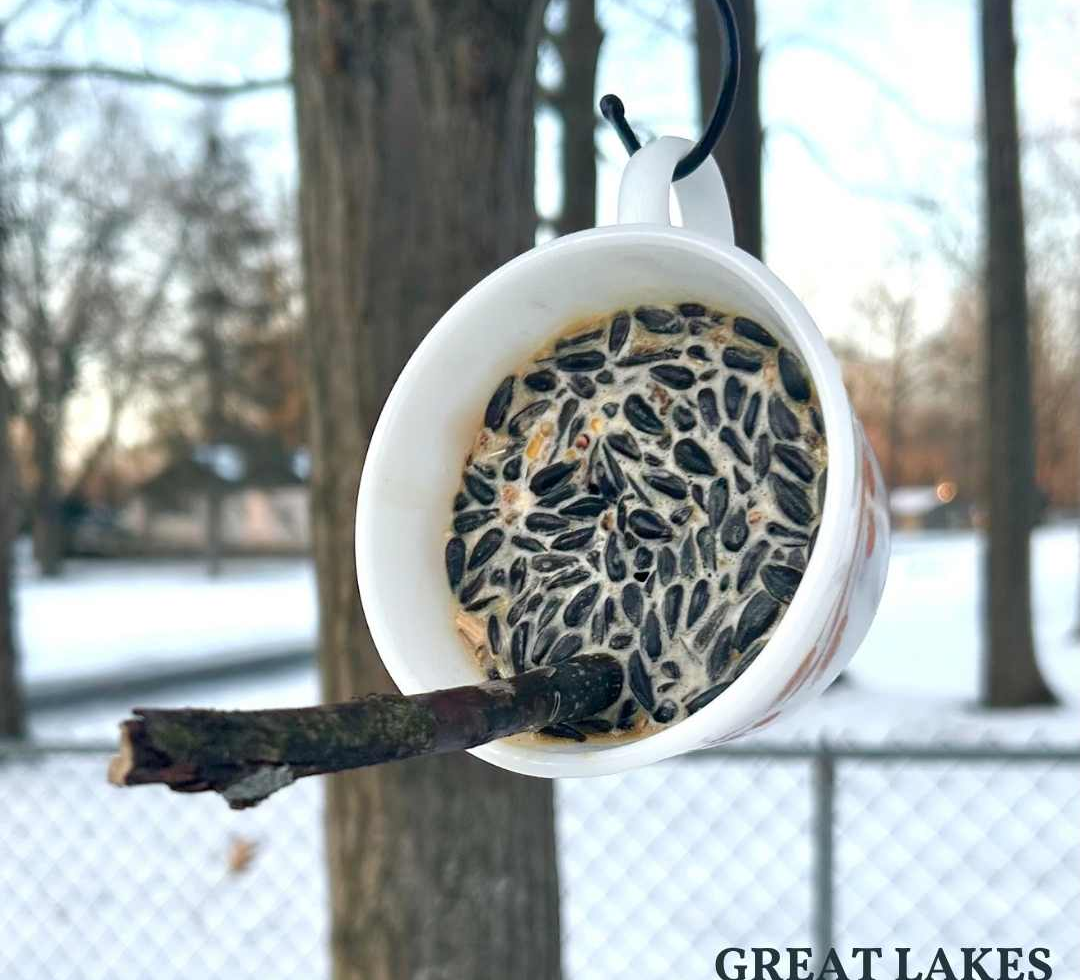
If you’re looking for a simple way to feed birds while repurposing something you already have or something thrifted, a mug suet feeder is an easy and creative DIY project. This feeder is especially useful in colder months when birds need extra calories, but it can be used year round with the right suet recipe.
A sturdy ceramic mug makes a surprisingly good suet holder and adds a cozy, rustic touch to your backyard bird setup.
Sustainability First
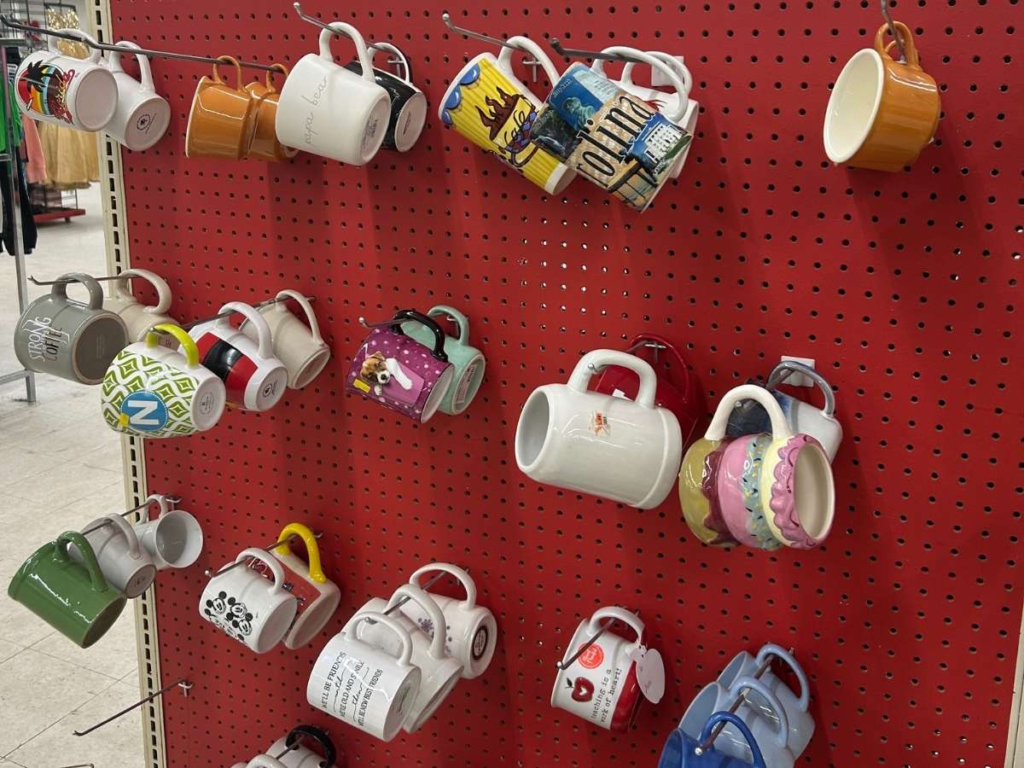
One of the best parts of this DIY is that it’s a sustainable way to feed birds. Old mugs that sit unused in cabinets or the ones you find lined up at the thrift store are perfect for this project. Repurposing something that already exists keeps usable items out of landfills, reduces the need for plastic feeders, and turns secondhand finds into something that directly supports local wildlife.
Birds You Can Attract With a Mug Suet Feeder
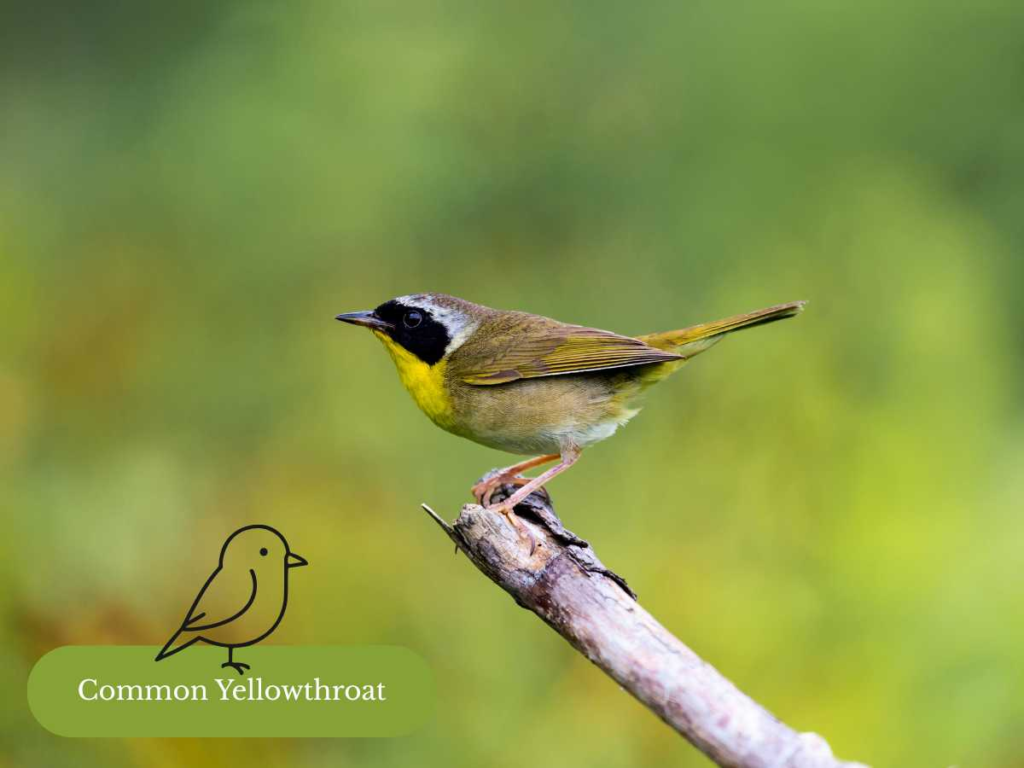
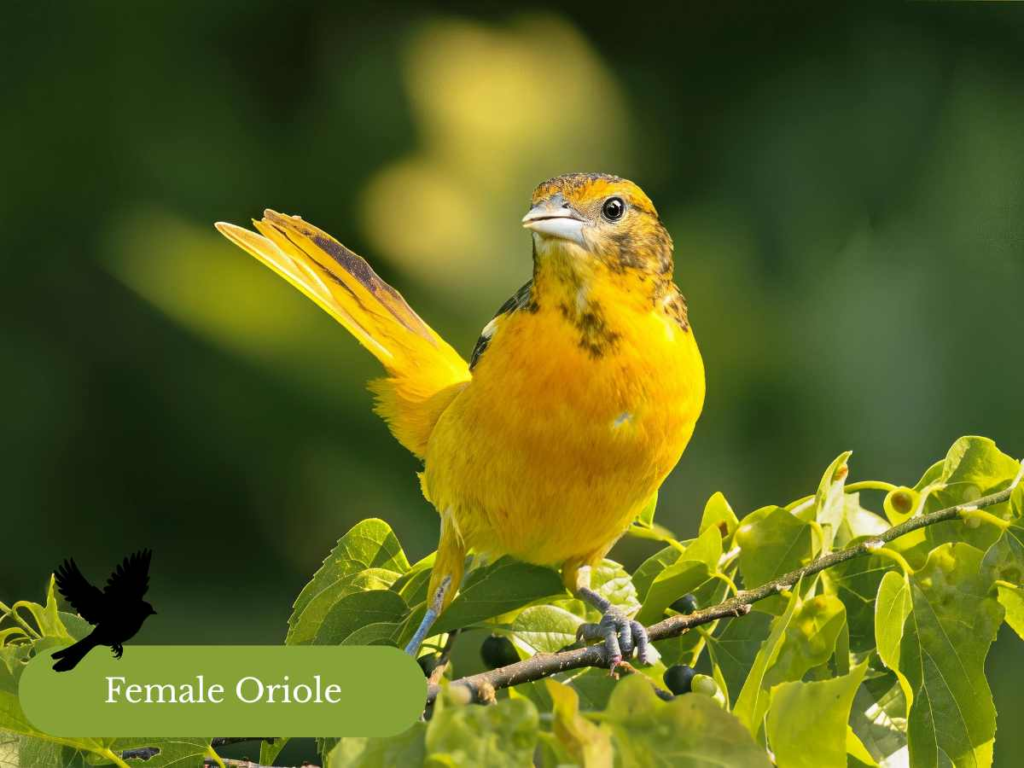
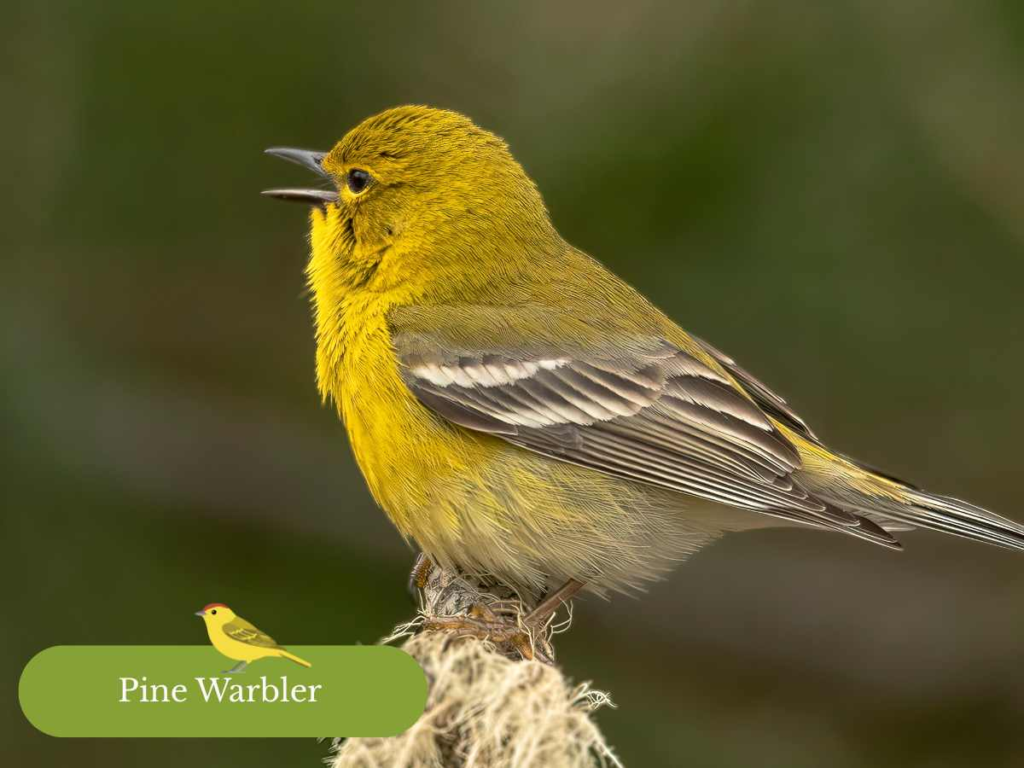
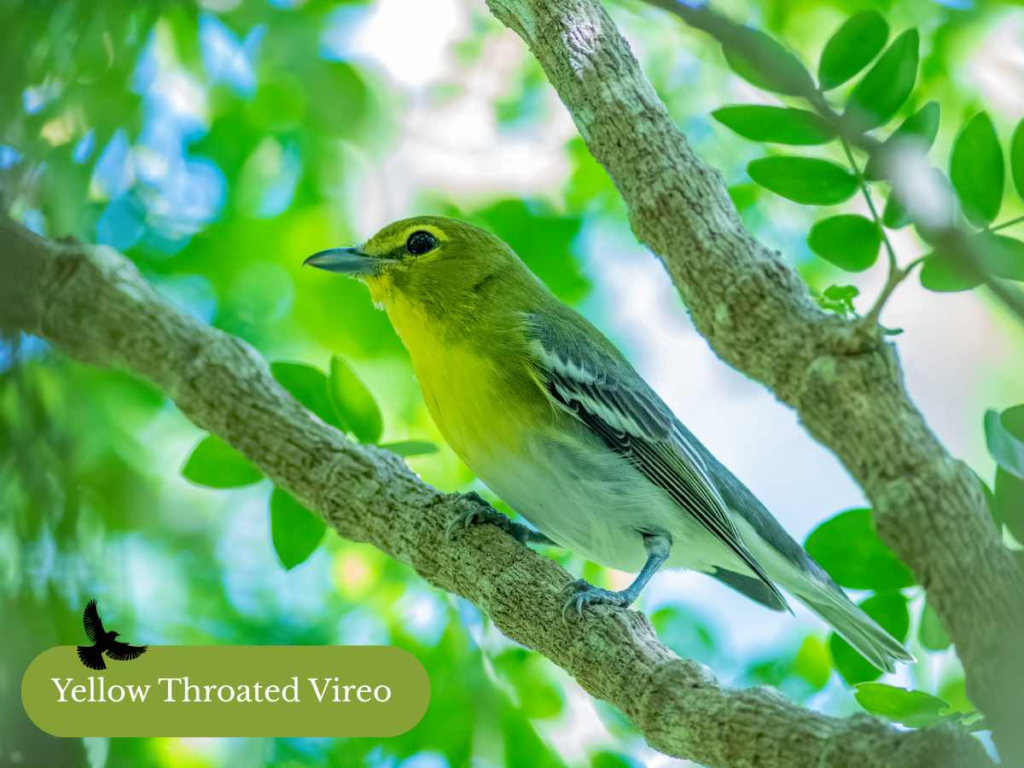
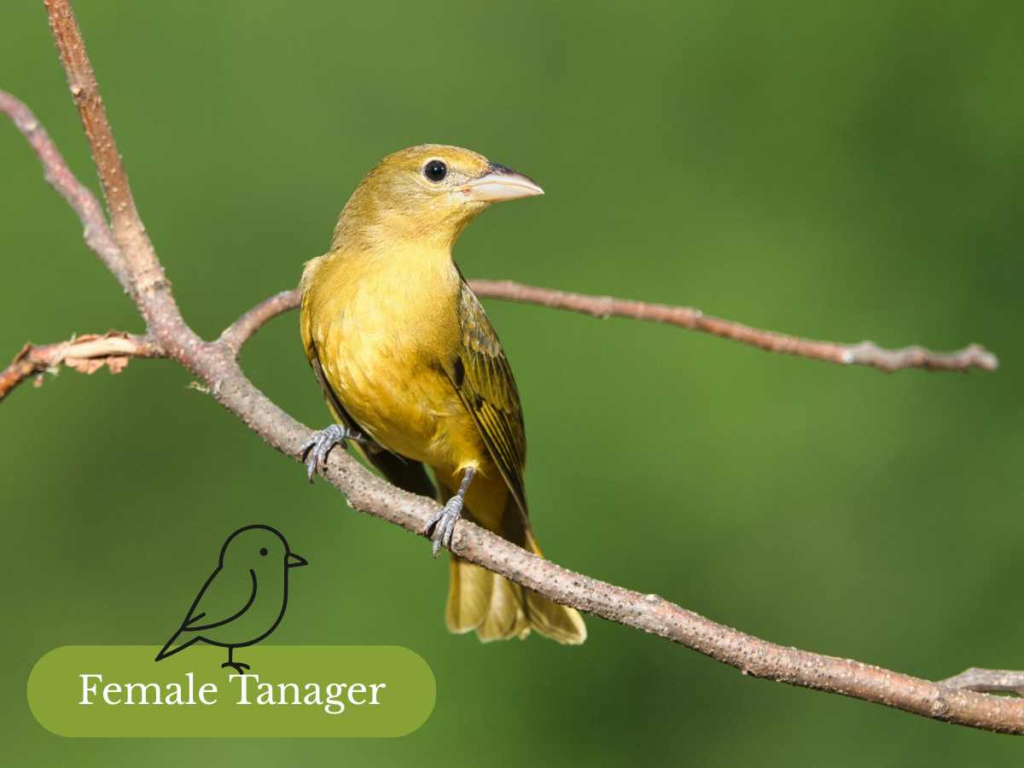
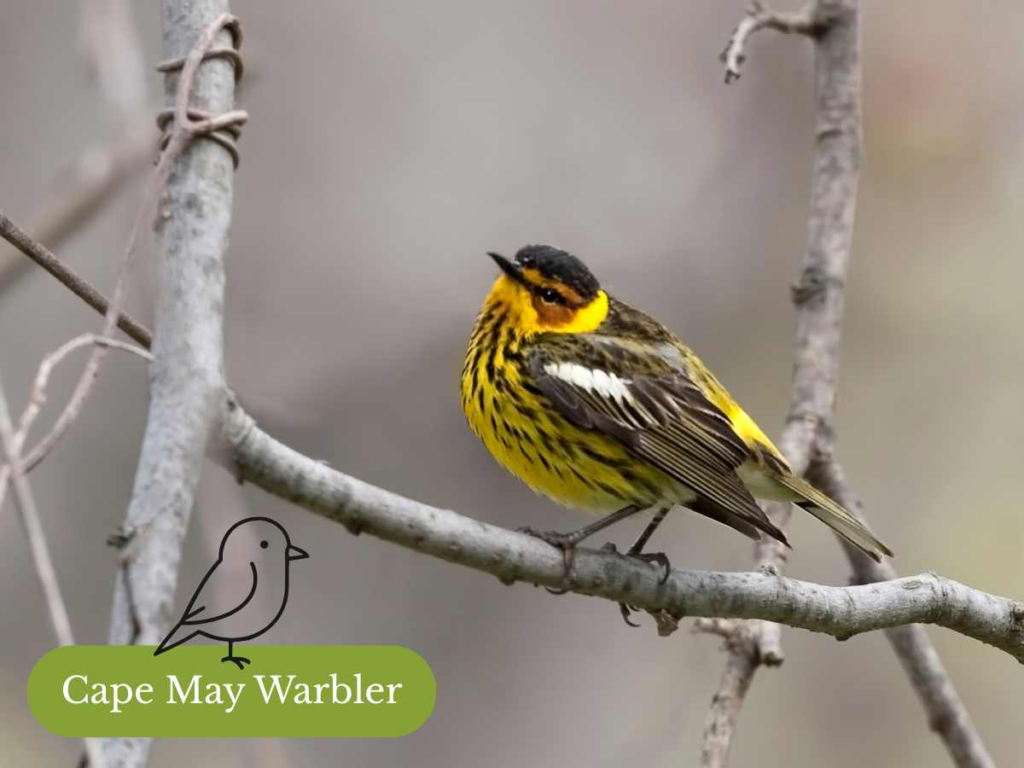
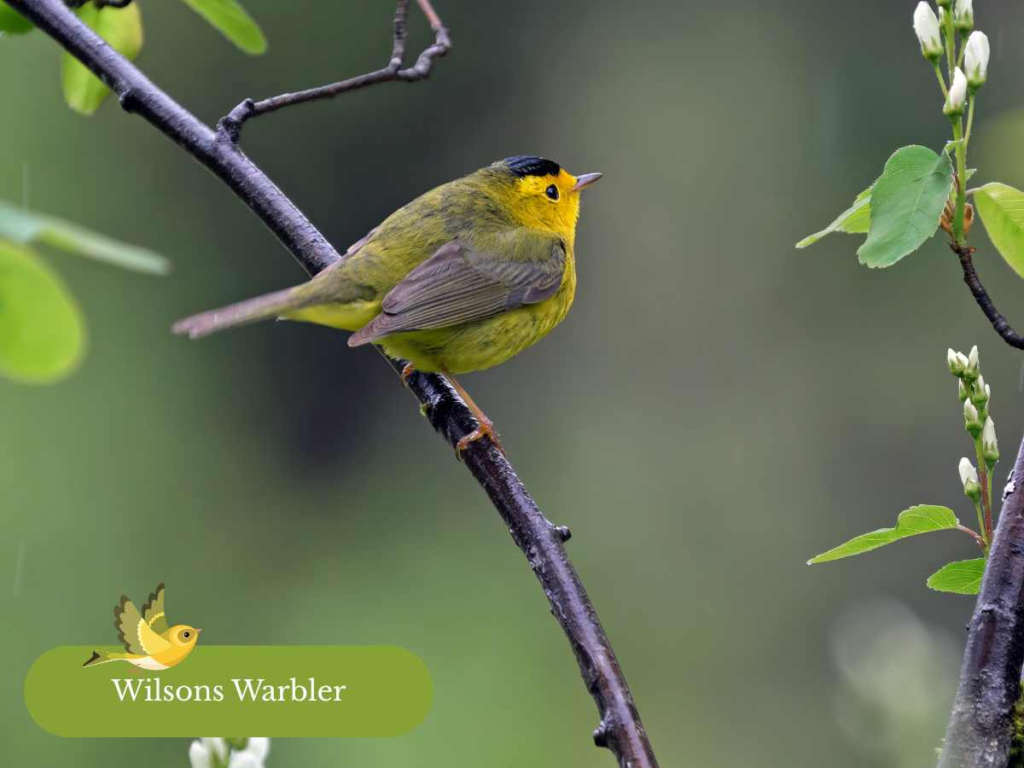
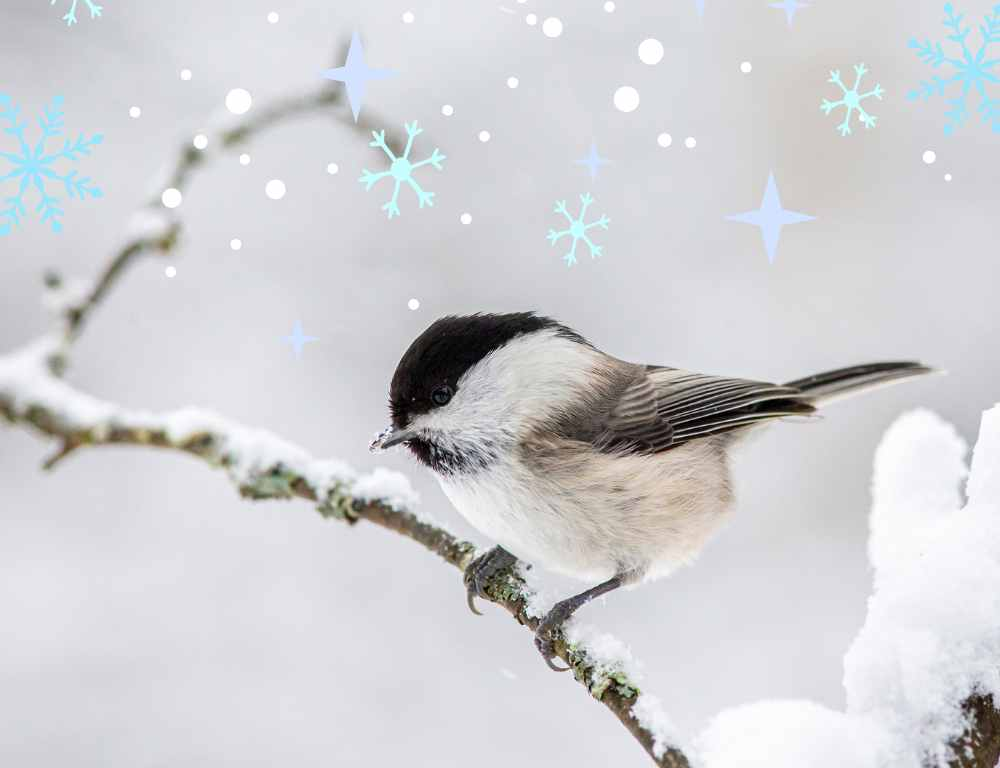
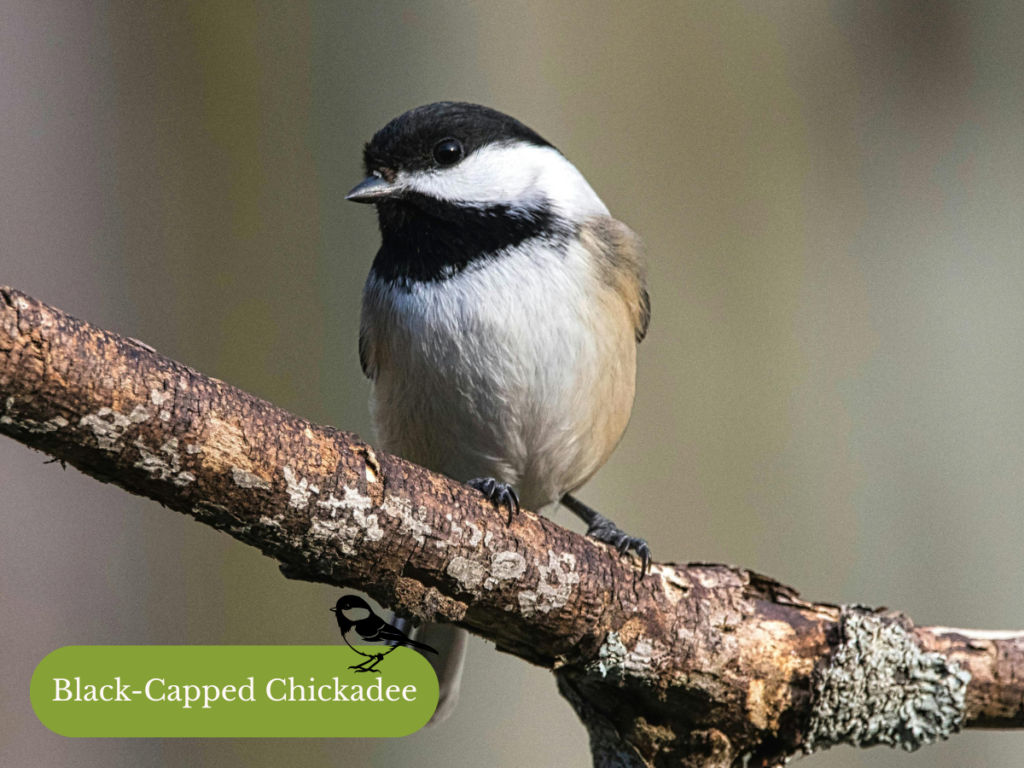
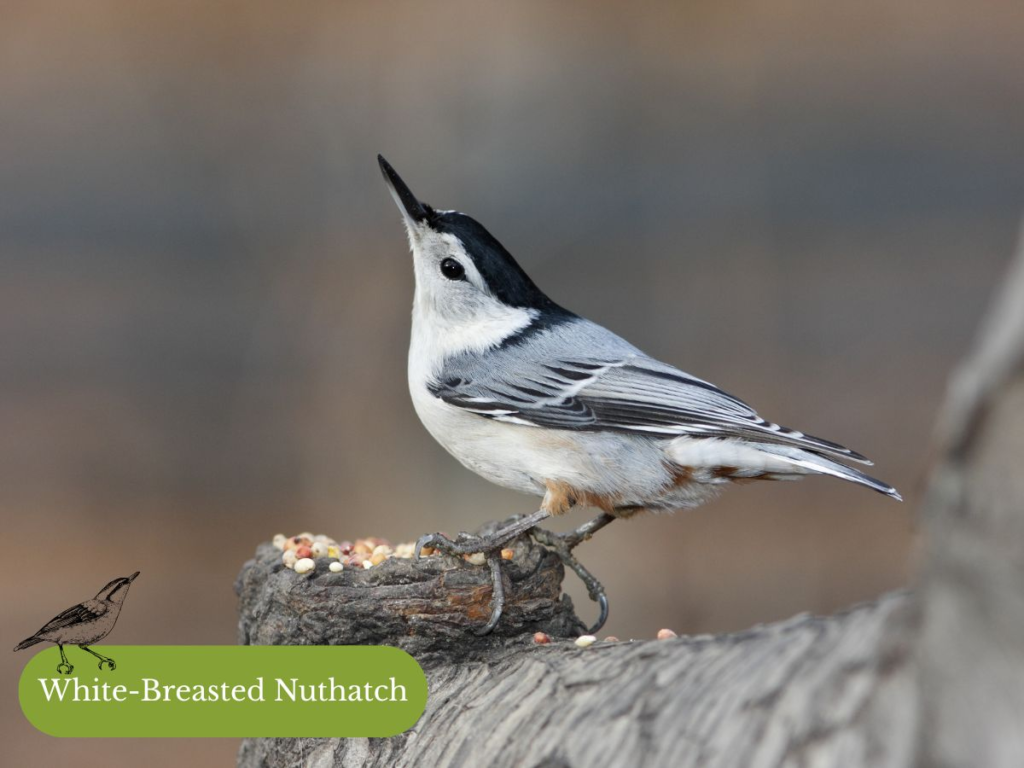
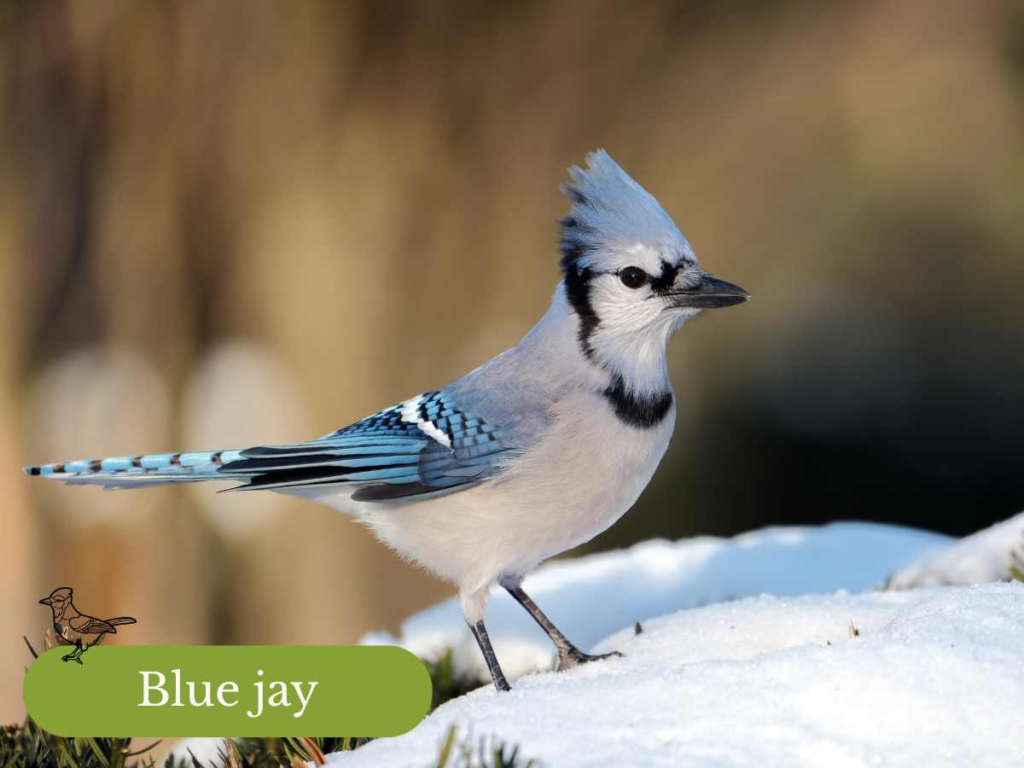
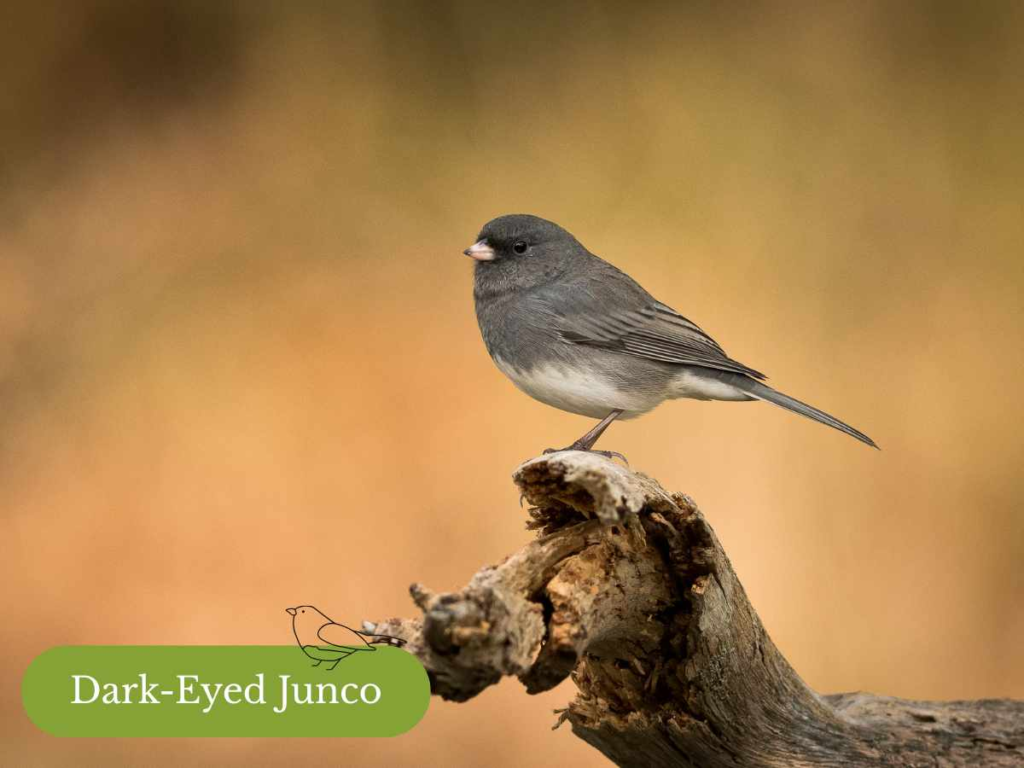
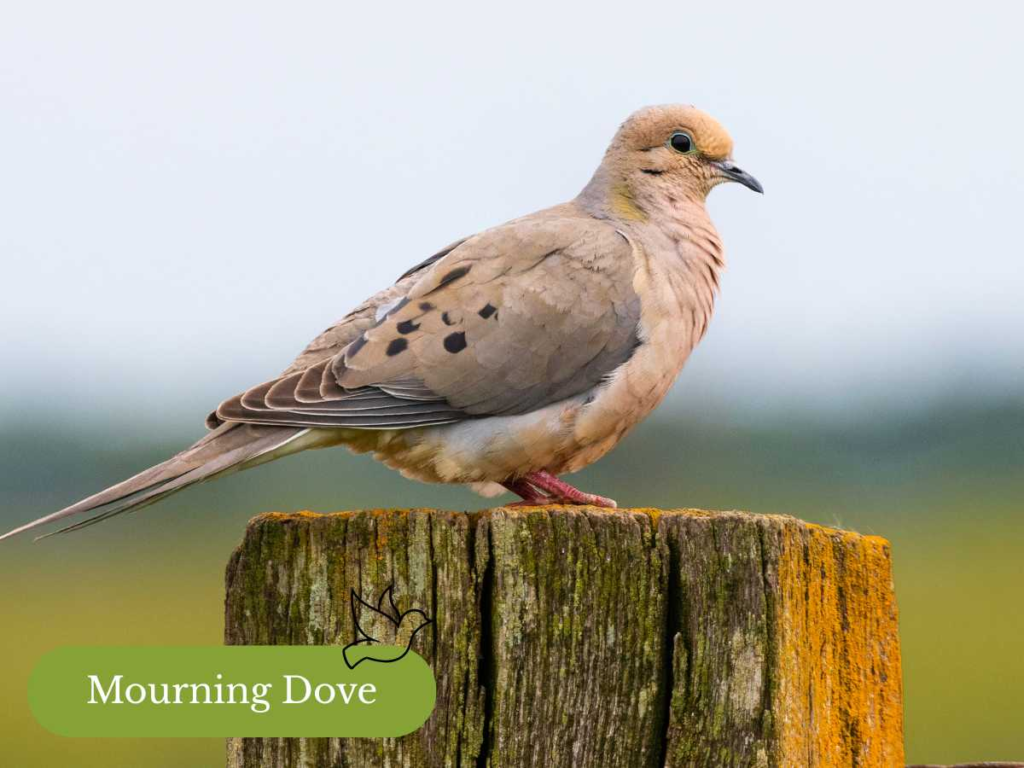
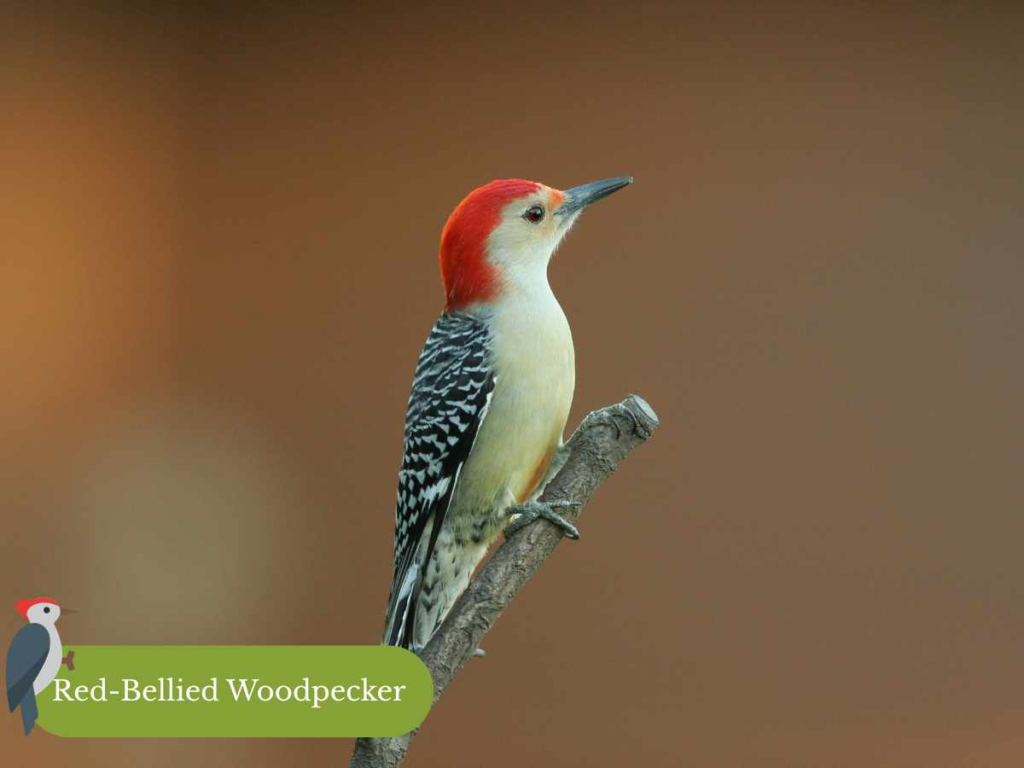
Suet attracts a wider range of birds, especially those that benefit from high-energy food. With a mug suet feeder, you may see:
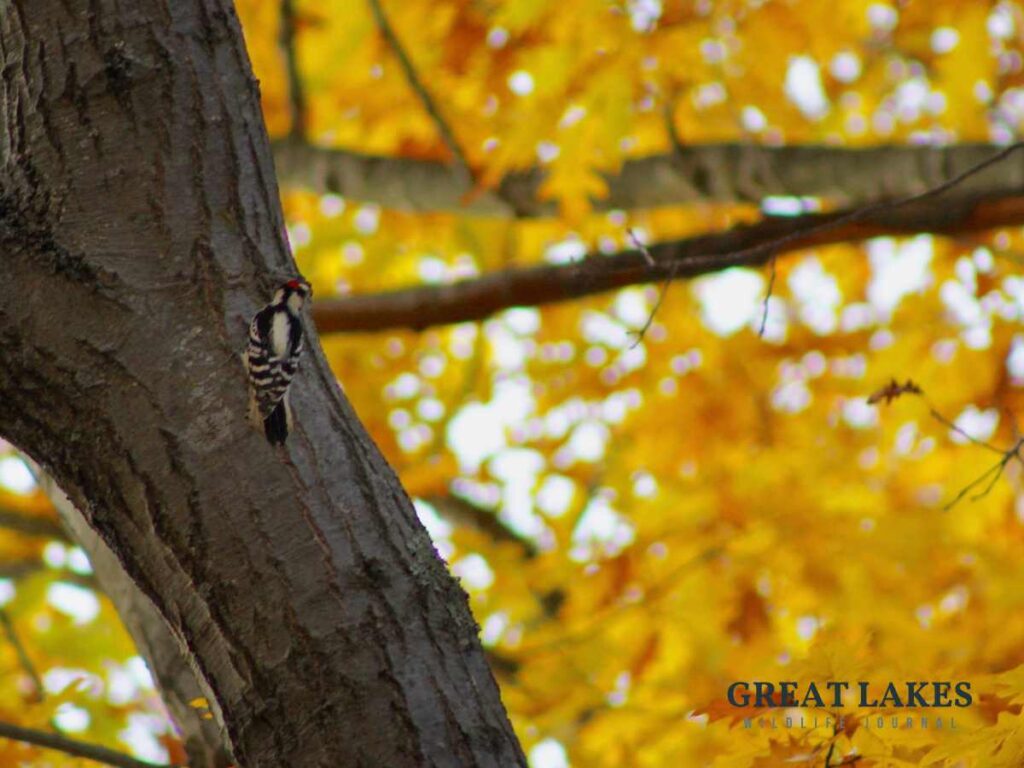
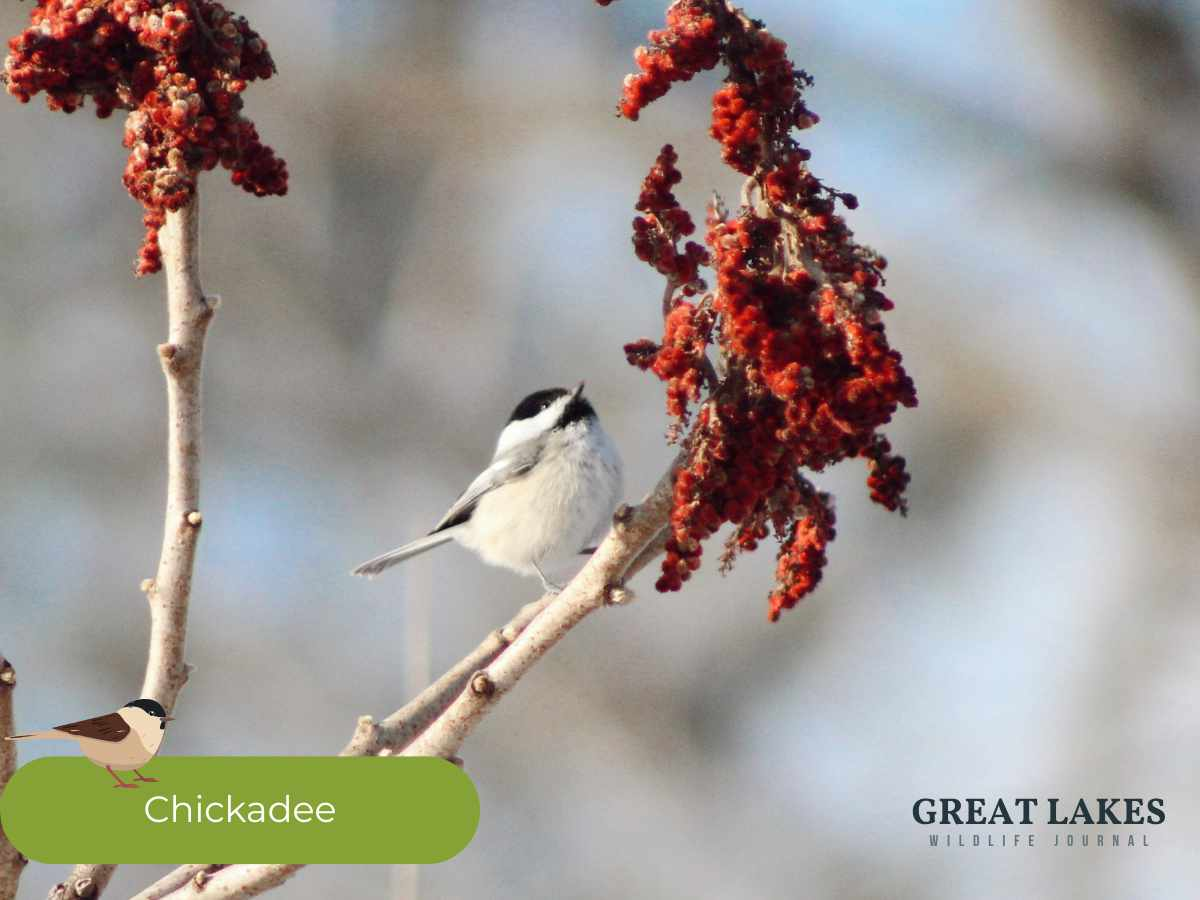
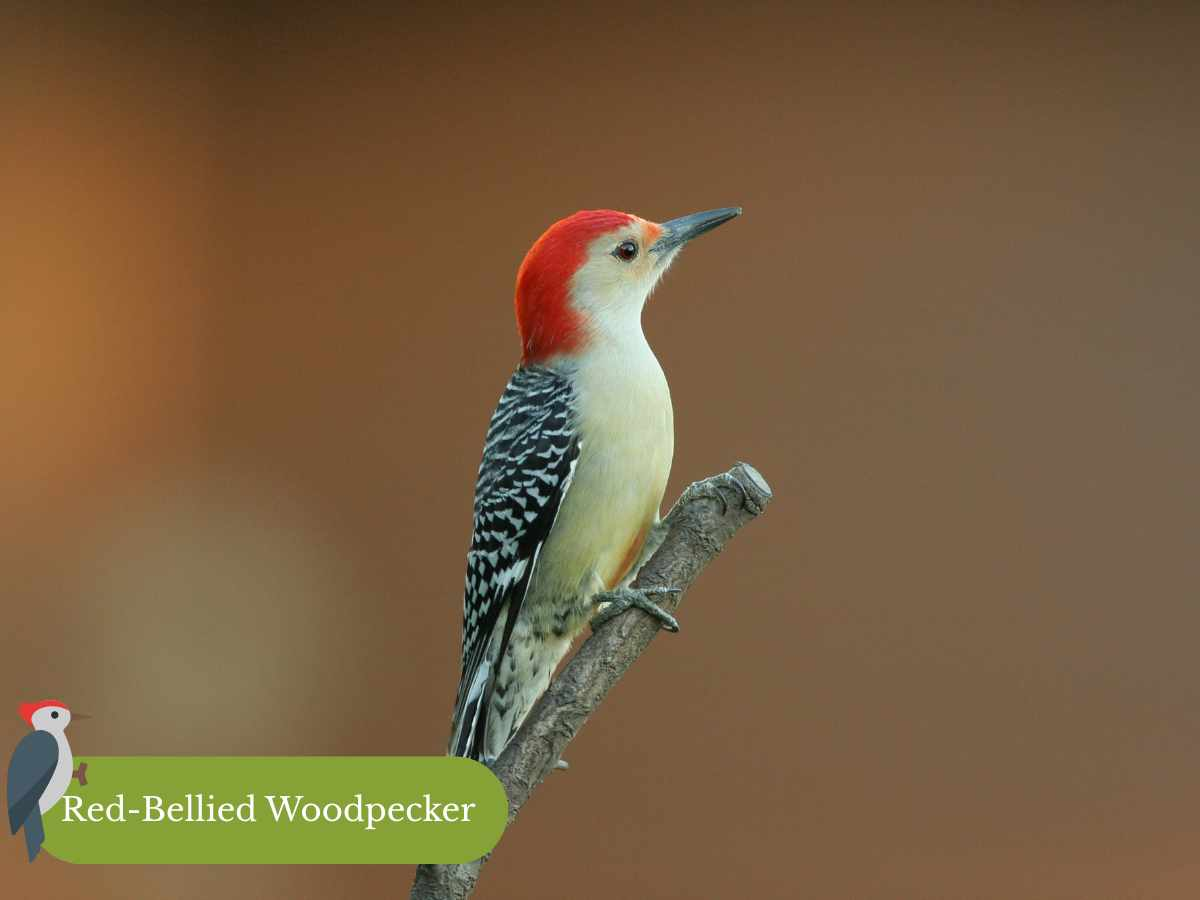
Woodpeckers, nuthatches, chickadees, wrens, blue jays, and occasionally starlings or squirrels, depending on placement. In winter, this feeder can become a regular stop for cold-weather visitors.
Supplies You’ll Need
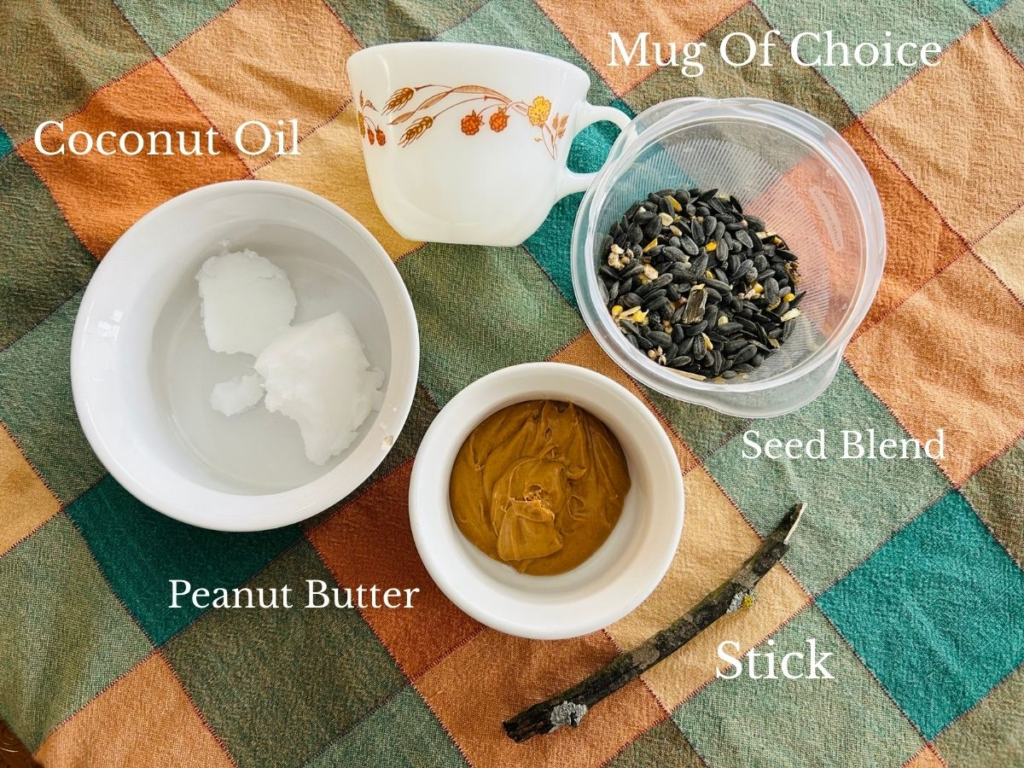
- 1 ceramic mug
- Twine, wire, chain, or hook
- ½ cup of suet (animal fat or coconut oil work)
- ¼ cup Peanut Butter
- 1 cup Seed Mix
- Stick perch
How to Prepare the Mug Suet Feeder
Start by washing and drying your mug thoroughly.
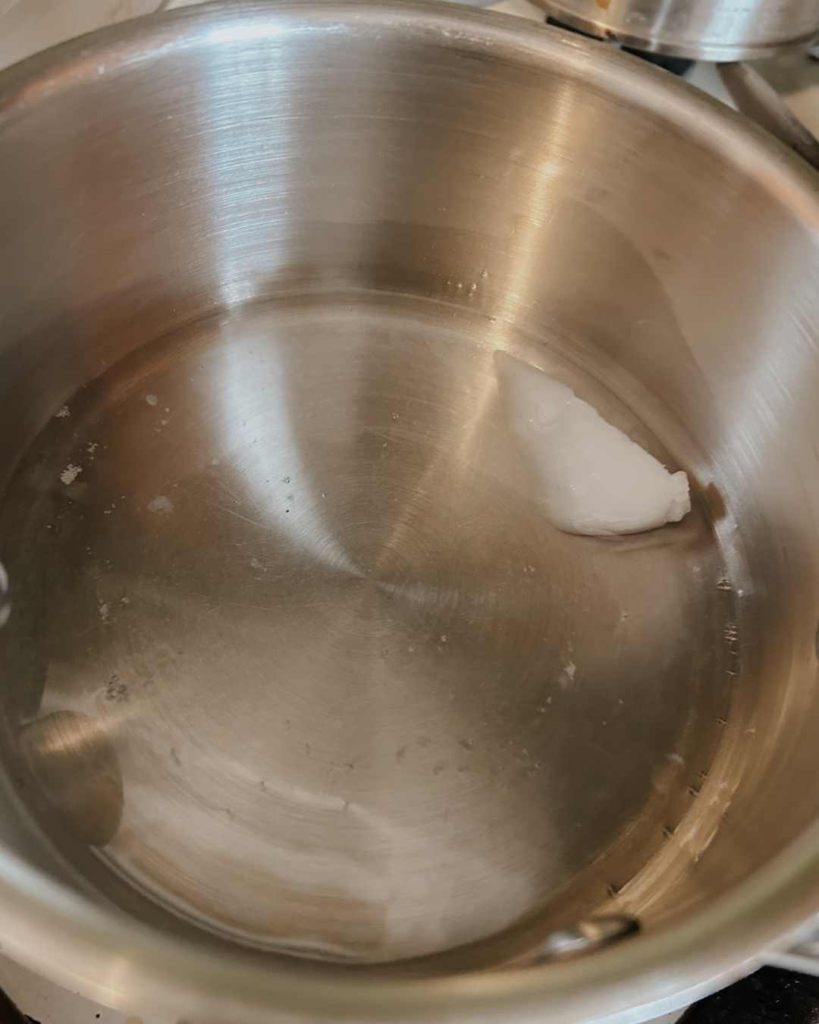
Melt you Fat/Oil on low heat until liquid
Once melted remove from heat and add your ingredients and stir. If it’s thin add more seed.
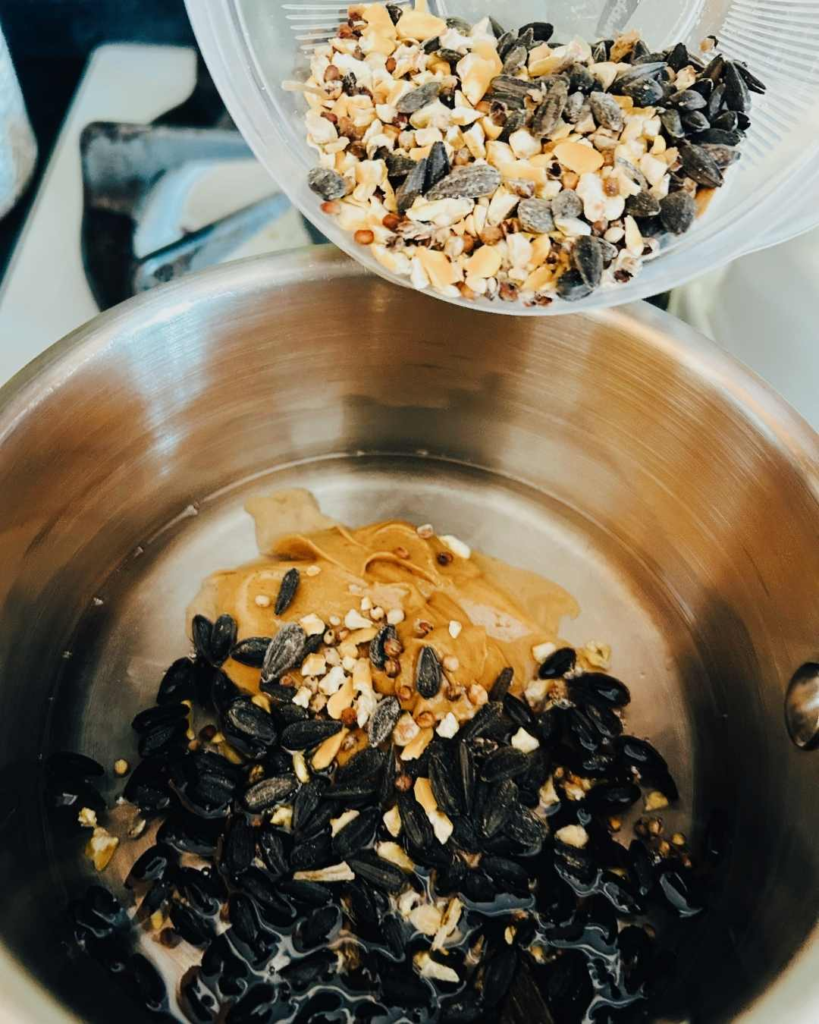
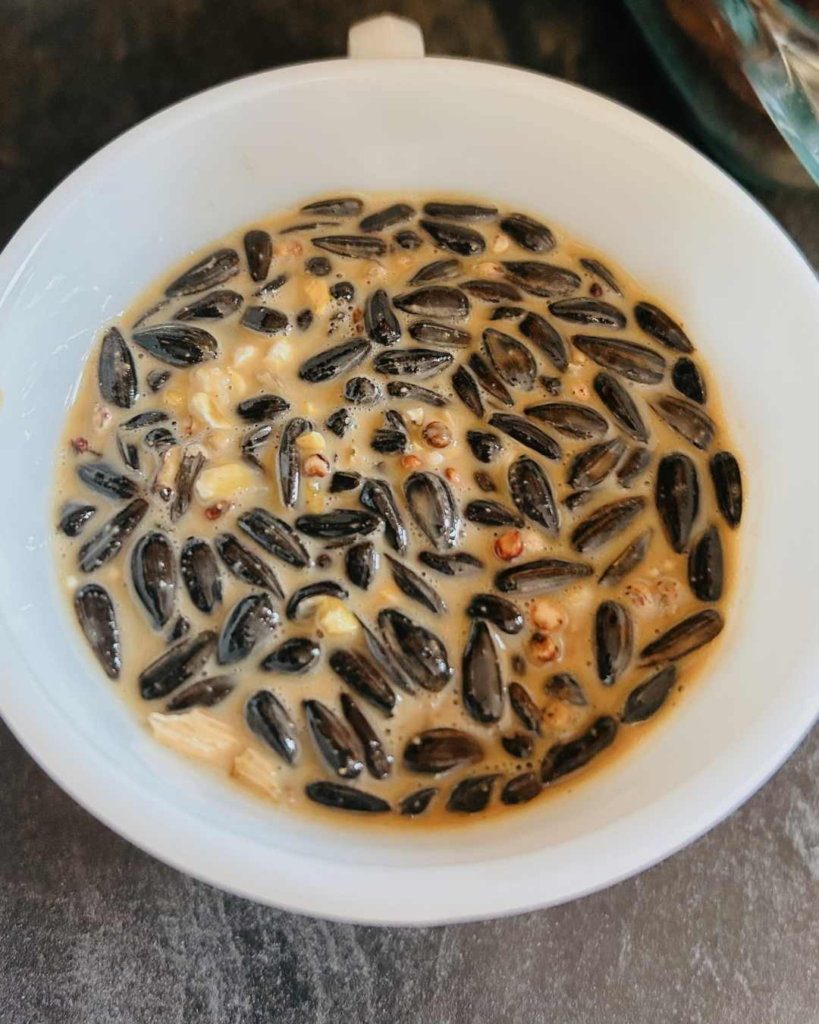
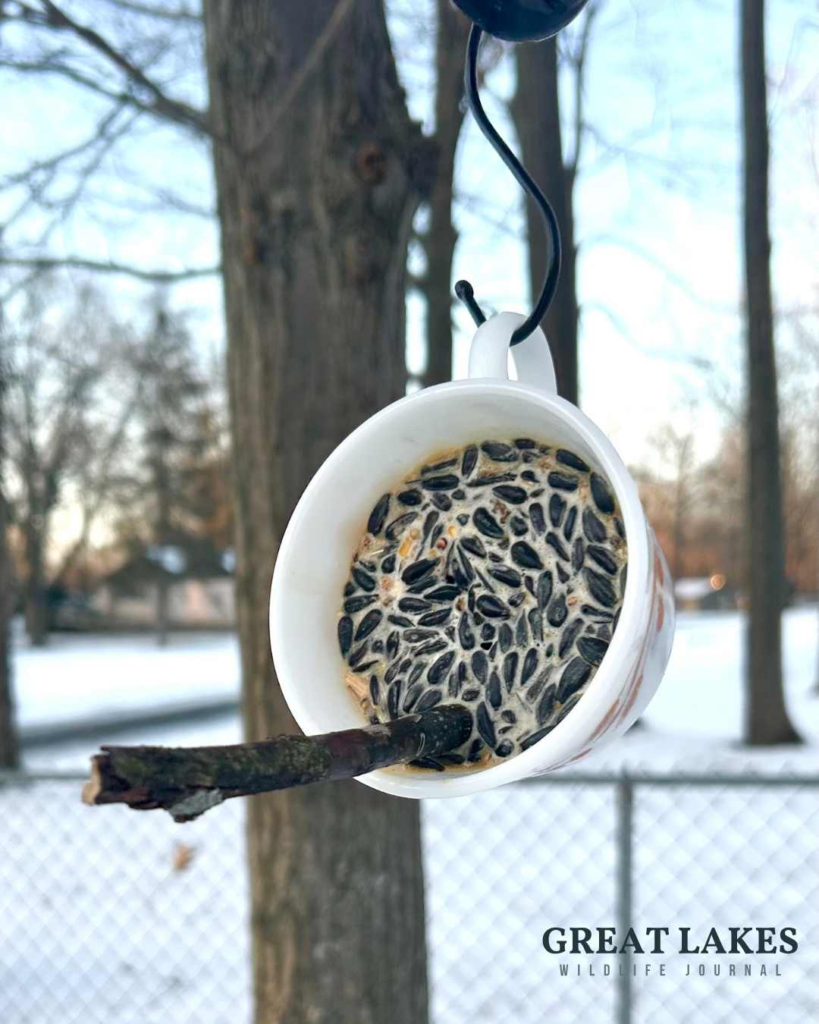
Pour into your mug and place your stabilizers for the stick (Can be rubber bands, hair ties, or wire.) Place your stick in desired spot.
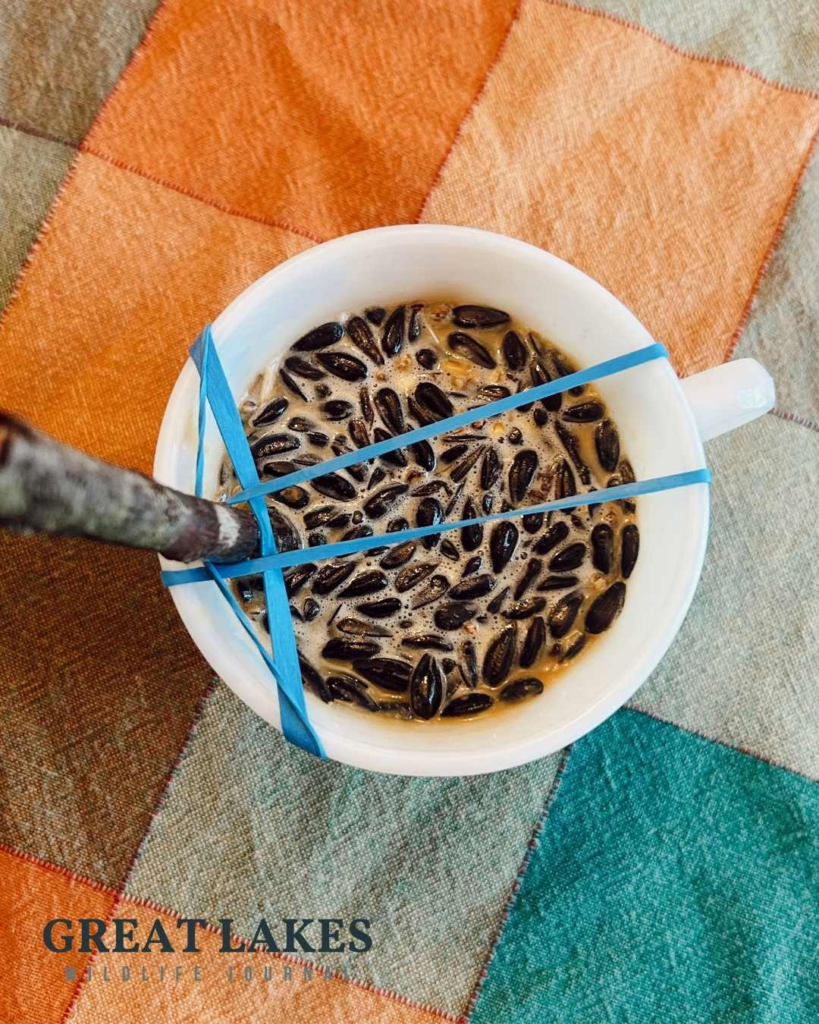
Place mug in your fridge for a few hours until hardened.
Hanging and Placement Options
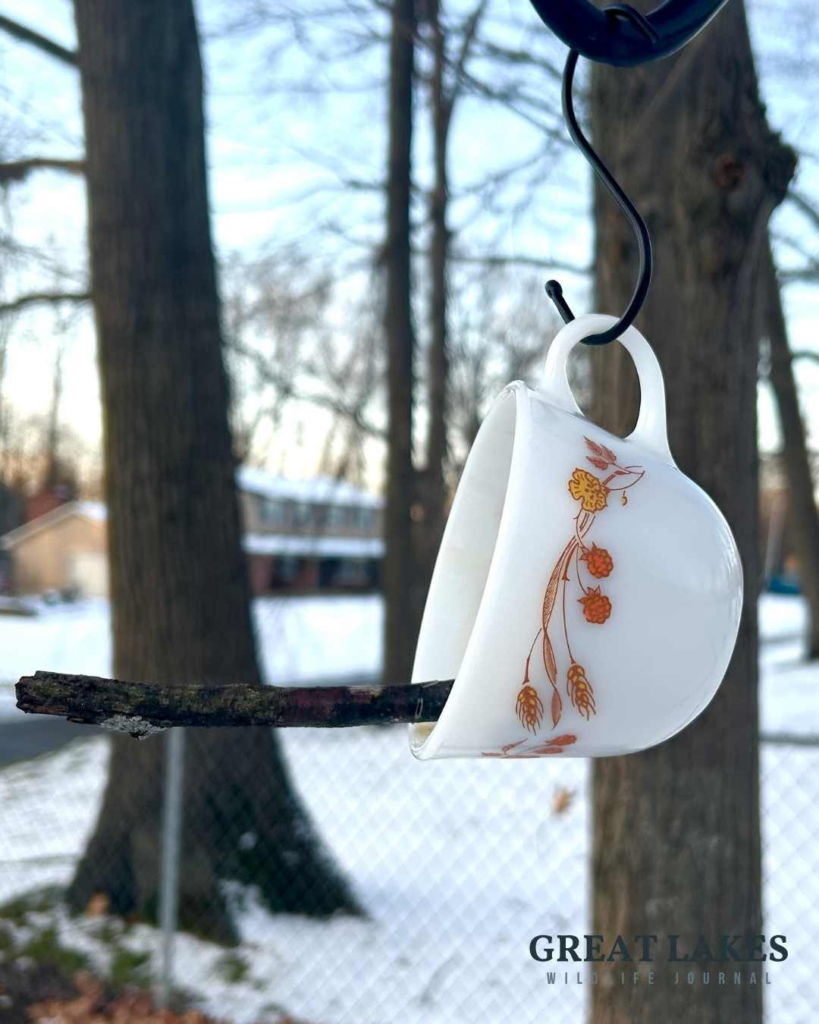
One of the easiest ways to hang a mug suet feeder is by threading twine or wire through the handle. Make sure it’s secure and balanced so the mug doesn’t tip too much.
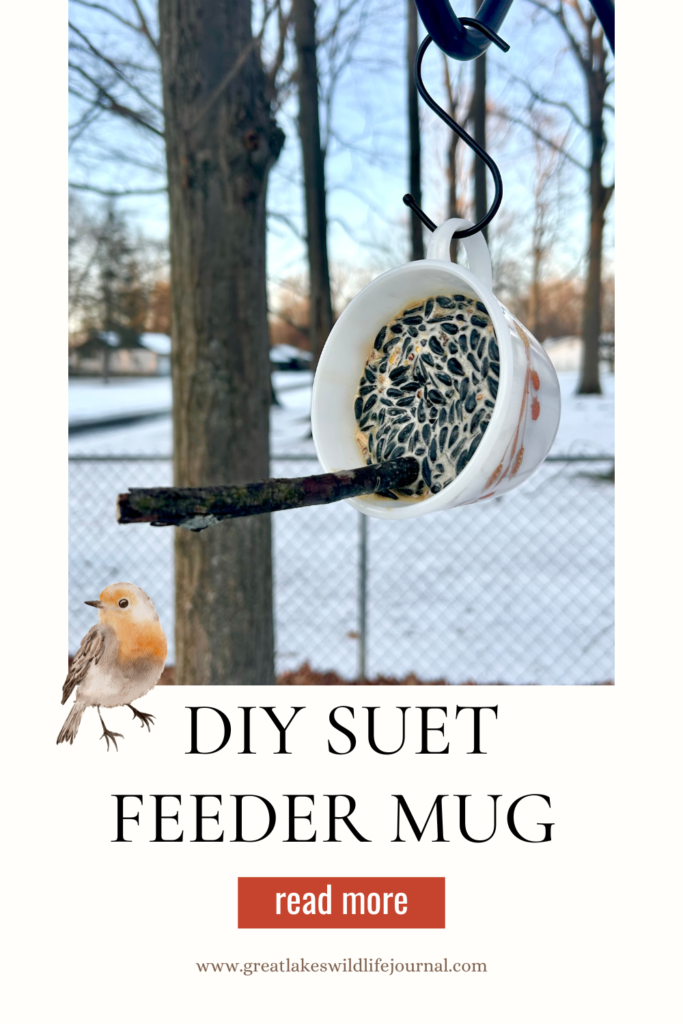
You can hang the mug from a tree branch, shepherd’s hook, or fence hook. I used an S hook I had laying around and placed it on my shepherds hook.
When to Use a Mug Suet Feeder
Suet is especially helpful in fall and winter when insects are scarce and birds need extra energy to stay warm. In warmer months, use no-melt suet or offer it only during cooler parts of the day to prevent spoilage.
Cleaning and Maintenance
Check the mug regularly and remove any old or moldy suet. Clean the mug with hot, soapy water and let it dry completely before refilling. Because suet can go rancid, frequent cleaning is important, especially in warmer weather.
I’d love to see your creations. Tag me @greatlakeswildlifejournal on Instagram and TikTok!